

Kidney Cleanse Herbs: What Actually Works and What Doesn’t
Herbs can gently support kidney function, but the most effective first step is hydration and kidney-friendly food, not a bottled “cleanse.” The National Kidney Foundation warns that products marketed for kidney detox have limited evidence behind them, and some can be risky for people with chronic kidney disease or anyone on prescription medication. Medical News Today’s review of kidney cleanses reaches a similar conclusion: there’s little high-quality evidence that any cleanse improves kidney function, while diet, hydration, and clinician-guided care remain the best-supported actions you can take.
If you have kidney disease, a transplant, or take regular medication, talk to your doctor before adding any herb to your routine.
Quick facts before you go further:
- Herbs are a supporting player, not a substitute for water, diet, or medical treatment.
- The word “cleanse” is misleading. Your kidneys already filter your blood around the clock.
- People with reduced kidney function face real interaction and toxicity risks from unsupervised herb use.
Statistic to know: The National Kidney Foundation specifically flags herbal supplements as a category deserving caution for anyone with chronic kidney disease, citing possible drug interactions and ingredients that can burden already-compromised kidneys.
Key Takeaways
Kidney cleanse herbs work best as a gentle supplement to hydration and diet, never as a replacement for either.
| Point | Details |
|---|---|
| Hydration comes first | Water intake, tailored to your age and activity level, does more for kidney function than any herb. |
| Lemon water has real backing | Four ounces of concentrated lemon juice daily may raise urinary citrate and help prevent kidney stones. |
| “Detox” claims are overstated | The National Kidney Foundation and Medical News Today both note limited evidence for commercial cleanse products. |
| High-risk groups need medical guidance | CKD patients, transplant recipients, dialysis patients, and pregnant individuals should avoid unsupervised herb use. |
| Choose transparent, gentle formulations | AlkaHerbs’ alkaline herbal teas publish full ingredient lists and favor mild, daily-use blends over concentrated extracts. |
Table of Contents
- Kidney Cleanse Herbs Start With Hydration, Not a Herb List
- Herbs and Teas People Use for Kidney Support
- Who Should Avoid Herbal Kidney Cleanses
- A 48-Hour Gentle Kidney-Support Plan
- Why the “Cleanse” Framing Gets This Topic Wrong
- Sources
Kidney Cleanse Herbs Start With Hydration, Not a Herb List
Your kidneys filter roughly a bathtub’s worth of blood every day, pulling waste and excess fluid into urine while keeping the substances your body needs. NIDDK’s explanation of kidney function makes clear that this filtration depends on adequate blood flow and fluid balance. Without enough water moving through the system, waste concentrates instead of clearing out. That’s the actual mechanism herbs for kidney detox are supposed to support, and it’s also why no herb outperforms a full glass of water.
How much water is enough depends on you specifically. The Academy of Nutrition and Dietetics notes that fluid needs shift with age, activity level, climate, and health status, so skip the one-size-fits-all “eight glasses a day” rule and pay attention to urine color and thirst instead. Pale yellow is a reasonable target for most healthy adults.
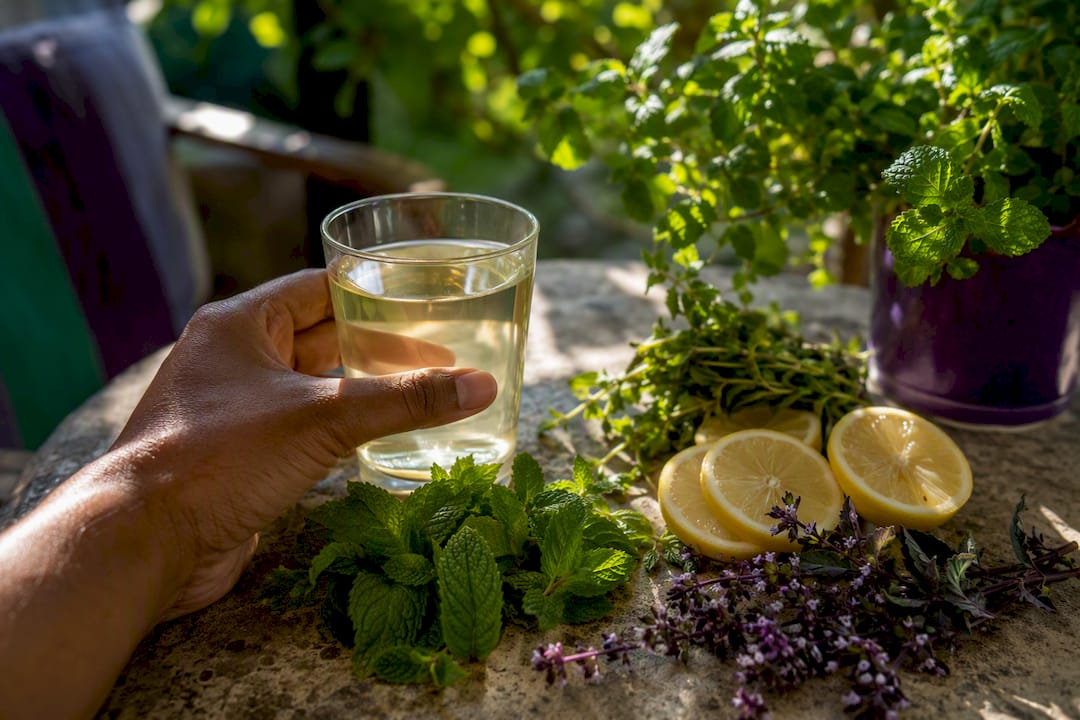
One specific, evidence-backed tweak: the National Kidney Foundation suggests adding 4 ounces of concentrated lemon juice to water daily, which can raise urinary citrate and help prevent calcium-based kidney stones. That’s a modest, low-risk habit, not a miracle fix, and it’s worth mentioning precisely because it has real backing while so many “kidney cleanse” claims don’t.
Food choices matter just as much as fluid intake:
- Lean toward: berries, leafy greens, bell peppers, cauliflower, and citrus in moderation for their antioxidant and potassium profiles.
- Go easy on: processed meats, canned soups, fast food, and other high-sodium items that force kidneys to work harder retaining fluid balance.
- Watch portion size on high-potassium or high-phosphorus foods if you already have reduced kidney function, since your body clears these less efficiently.
Think of hydration and diet as the foundation; for practical guidance on supporting kidney health naturally, see how to cleanse your kidneys naturally. Herbs, if you use them, sit on top of that foundation. They don’t replace it.
Herbs and Teas People Use for Kidney Support
Herbal teas for kidney cleanse purposes generally work through one of three mechanisms: mild diuretic action that increases urine flow, anti-inflammatory compounds, or soothing effects on urinary tissue. None of them “flush toxins” in the way marketing copy implies, and the clinical evidence behind most of them is thinner than the wellness industry suggests.
- Dandelion (leaf and root): A traditional diuretic, often brewed as tea or taken as tincture. Some renal health resources list it among commonly used supportive teas, though robust human trials are limited. Read a full breakdown in our dandelion root guide.
- Nettle leaf: Used traditionally for urinary tract support and mild diuretic effect; generally well tolerated in tea form.
- Parsley: A culinary herb with a folk history as a diuretic; best added to food or brewed lightly rather than taken in concentrated extracts.
- Chanca piedra: Has some traditional and limited clinical interest tied to kidney stone management, though the evidence base remains small and largely preliminary.
- Marshmallow root: Soothing, mucilage-rich herb often used for urinary tract comfort rather than direct kidney action.
- Horsetail: A diuretic herb that also carries mineral content; use short-term only, since prolonged use can disturb electrolyte balance.
- Uva ursi: Traditionally used for urinary tract support, but not recommended for extended use due to compounds that can stress the liver and kidneys at high doses.
- Burdock root: Mild diuretic with a long folk history; generally gentle but under-studied in clinical settings.
- Hydrangea root: Occasionally included in kidney stone folk remedies; evidence is thin and quality control on commercial products varies widely.
Pro Tip: Start with one herb at a time, in tea form rather than concentrated extract, so you can actually tell what’s helping and what isn’t.
Who Should Avoid Herbal Kidney Cleanses
People with chronic kidney disease, a kidney transplant, dialysis patients, and pregnant individuals face the highest risk from unsupervised herb use. Clinical reviews document real interaction and nephrotoxicity risks, particularly from herbs with high phosphorus or potassium content, or diuretic herbs that alter electrolyte balance in someone whose kidneys can’t compensate.
The most common mistake isn’t choosing the wrong herb. It’s assuming more is better. High doses of diuretic herbs can concentrate waste products or trigger electrolyte imbalance instead of preventing it, according to National Kidney Foundation guidance on herbal supplements.
Three practical safety steps reduce your risk substantially:
- Check for third-party testing on any product, since contamination and mislabeling are common in the unregulated supplement market.
- Introduce one new herb at a time, at a low dose, and watch for changes in urination, energy, or digestion before adding another.
- Write down what you’re taking (herb, dose, frequency) so you can share it with your doctor, especially if you’re on blood thinners, blood pressure medication, or diuretics already.
Stop immediately if you notice swelling, unusual fatigue, or changes in urine output, and call your doctor.
A 48-Hour Gentle Kidney-Support Plan
This isn’t a medical treatment. It’s a low-risk way to lean into supportive habits for two days.
- Morning, Day 1: Start with a glass of water plus lemon juice for citrate support, then a breakfast built around berries and leafy greens.
- Midday, Day 1: A cup of nettle or dandelion tea with lunch, alongside vegetables and a modest portion of lean protein.
- Evening, Day 1: Light dinner, water instead of sugary drinks, and an early stop to caffeine.
- Morning, Day 2: Repeat the lemon water, add citrus fruit to breakfast.
- Midday, Day 2: Swap in parsley as a garnish or light tea, keep sodium low at lunch.
- Evening, Day 2: Another cup of mild herbal tea, hydration through the evening, and an early wind down.
Keep herbal tea to one or two cups a day during this window. If you take medication or have any kidney condition, run this plan by your doctor first.
AlkaHerbs’ Approach to Herbal Kidney Support
AlkaHerbs sources organic, non-GMO herbs following alkaline herbal traditions, including alkaline herbal teas and daily herbal support blends built around gentle, food-based ingredients rather than aggressive “flush” formulas.
- Ingredient lists are published for every product, so you know exactly what you’re brewing.
- Formulations favor mild, traditional herbs over concentrated extracts meant for short bursts of use.
- Products are positioned as daily support, not a substitute for hydration, diet, or medical treatment.
Why the “Cleanse” Framing Gets This Topic Wrong
Most kidney cleanse marketing sells urgency: flush the toxins, reset your system, detox fast. That framing doesn’t match how kidneys actually work. They filter continuously, and the real leverage points are boring by comparison: drink enough water, eat real food, don’t overload your system with sodium and ultra-processed meals. Herbs earn a supporting role here, not a starring one.
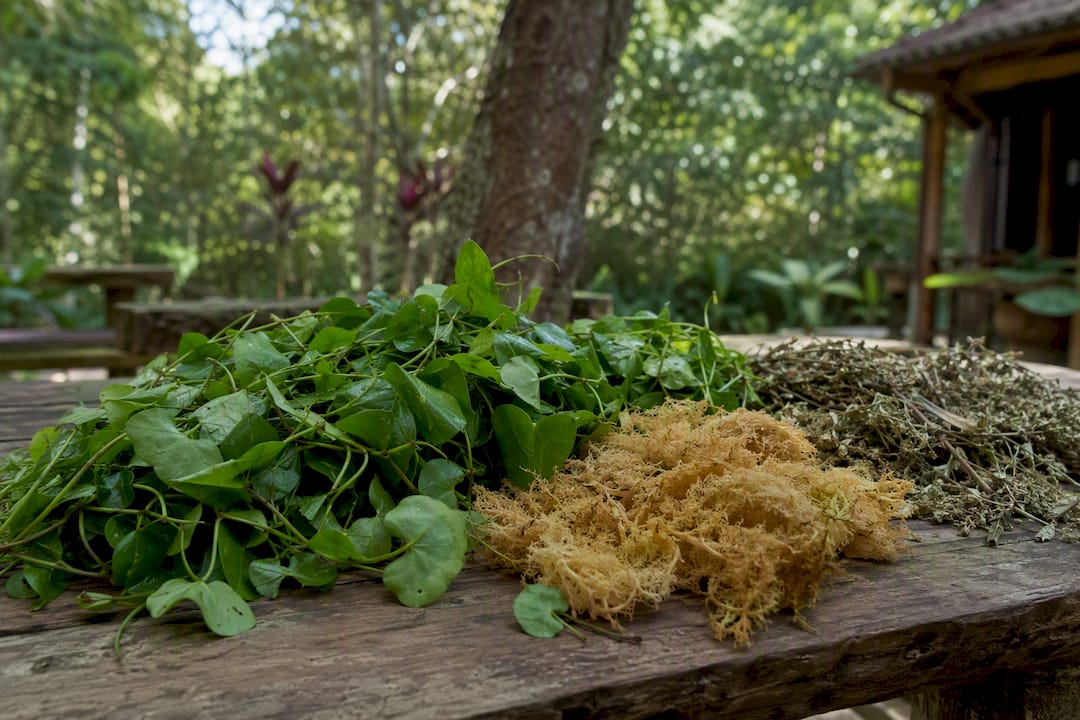
Where conventional advice falls short is treating all herbs as interchangeable and safe by default. They aren’t. A mild diuretic tea that’s harmless for a healthy adult can be genuinely risky for someone with reduced kidney function or on certain medications. The evidence gap matters too. A handful of herbs, like chanca piedra, have some legitimate traditional and preliminary clinical interest. Most of the rest are riding on folklore and marketing copy, not trials.
If you take one thing from this: prioritize water and food first, treat herbal tea as a gentle daily habit rather than a fix, and never start an herb regimen without knowing your own kidney function and medication list. That order of operations is what actually protects you.
— Alka
A Straightforward Next Step for Safety-First Herbal Support
If you want pre-formulated herbal support without guessing on doses or sourcing, AlkaHerbs’ alkaline herbal tea collection is built around the same gentle, food-first philosophy covered above: organic, non-GMO herbs with published ingredient lists rather than proprietary “detox” blends hiding behind vague labels.
When choosing a product, look for three things: a full ingredient list, an organic label, and evidence of batch testing. That’s the same due diligence you’d apply to any supplement, and it’s worth doing before you buy anything, from AlkaHerbs or elsewhere. For readers who want a structured, longer-term option rather than single herbs, the Full Body Detox 30 Day Supply lays out serving sizes transparently on the product page. Still talk to your clinician before starting, especially if you take medication regularly. Browse the herbal detox category to compare formulations and find what fits your routine.
Sources
- Herbal supplements and kidney disease | National Kidney Foundation
- Kidney cleanse: does it work, 2-day plan, and risks | Medical News Today
- Herbal supplements and kidney disease — review (PMC)
- How the kidneys work | NIDDK