

Dr. Sebi’s Approach to Diabetes: A Safety-First Guide
Dr. Sebi’s approach to diabetes centers on an alkaline, plant-based diet combined with specific herbs intended to clear mucus from the pancreas and restore the body’s natural pH balance. Followers of this protocol, including those who source herbs through Alkaherbs, pair dietary changes with supplements like Sebian Sea Moss and Burdock Root. Before going further: the American Diabetes Association (ADA) and mainstream clinical guidelines are unambiguous that diabetes medications should never be stopped without a clinician’s approval, and any significant dietary shift warrants medical supervision.
“Structured diabetes care requires individualized management, dietary guidance, and monitoring for complications — no alternative protocol replaces that foundation.”
Type 2 diabetes in adults: management, NCBI Bookshelf
This article covers:
- Dr. Sebi’s causal theory and how it compares to mainstream pathophysiology
- The full dietary protocol: allowed foods, banned foods, and hydration rules
- Herbs and Alkaherbs products used in the protocol, with evidence-level notes
- Risks, nutrient gaps, and a stepwise plan for trialing elements safely
Key Takeaways
Dr. Sebi’s approach to diabetes is an alkaline, plant-based dietary protocol combined with specific herbs, supported by traditional use but not by clinical trials for diabetes control, and it must always be used alongside, not instead of, prescribed medical care.
| Point | Details |
|---|---|
| Core protocol | Alkaline plant-based diet plus herbs targeting mucus reduction; no clinical trials validate it for diabetes control. |
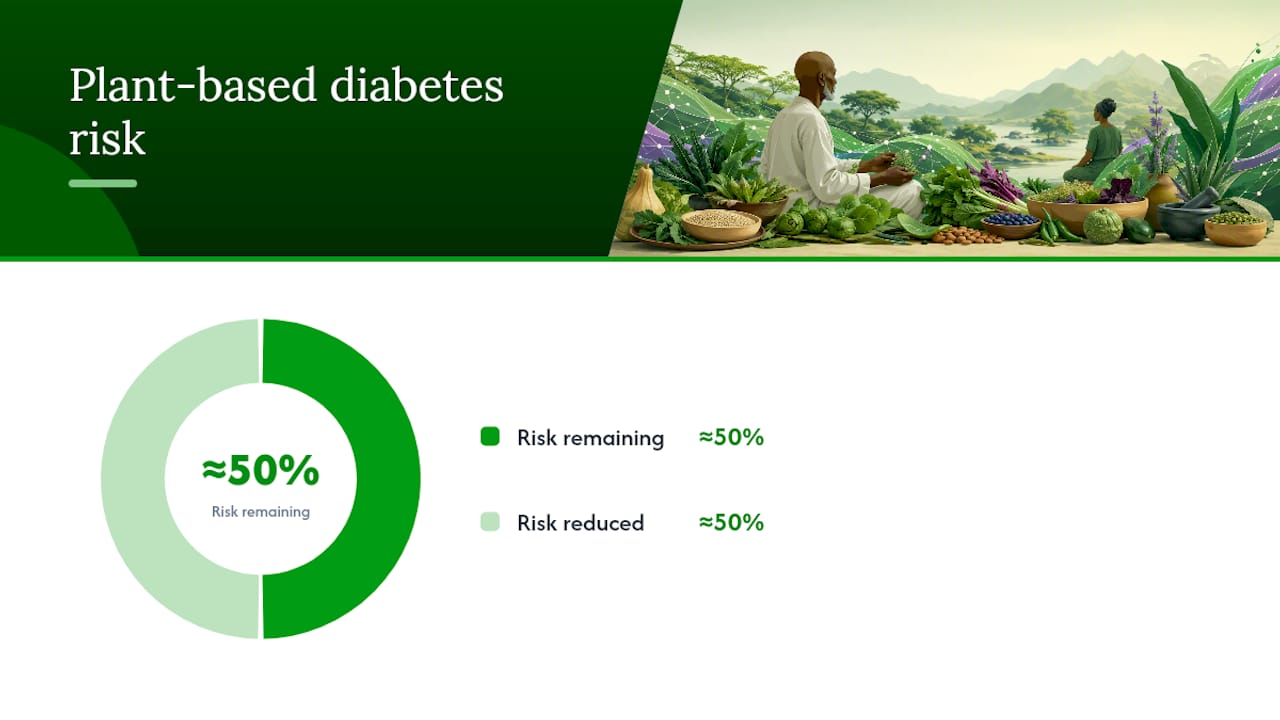
| Plant-based benefits | Plant-based diets are associated with roughly half the risk of metabolic syndrome; benefits come from the dietary pattern, not Sebi’s pH theory. |
| Key risks | Vitamin B12 deficiency, hypoglycemia, herb-drug interactions, and electrolyte imbalance are the primary safety concerns. |
| Safe trial steps | Consult a clinician first, get baseline labs, start one change at a time, and monitor fasting and postprandial glucose daily. |
| Alkaherbs role | Alkaherbs offers non-GMO alkaline herbs (Sea Moss, Burdock Root, Blood Cleanse Capsules) as adjuncts to, not replacements for, medical diabetes care. |
Table of Contents
- What is Dr. Sebi’s approach to diabetes?
- The Sebi dietary protocol: what you eat and what you avoid
- Herbs and supplements used in the Sebi approach
- What the evidence actually says about risks and benefits
- How to try elements of the Sebi approach safely
- Warning signs that mean stop immediately
- A candid perspective on Sebi-inspired herbs and responsible use
- Alkaherbs products that support a Sebi-inspired plan
- Sources
What is Dr. Sebi’s approach to diabetes?
Dr. Sebi’s theory holds that excess mucus accumulates in the pancreas, creating an acidic internal environment that disrupts organ function and leads to diabetes. The solution, in his framework, is to alkalize the body through a strict plant-based diet and targeted herbs that dissolve and expel that mucus.
Mainstream medicine explains diabetes differently. Type 2 diabetes involves insulin resistance in peripheral tissues and progressive beta-cell dysfunction in the pancreas, driven by genetics, excess adiposity, inflammation, and impaired glucose metabolism. These mechanisms are documented in peer-reviewed clinical trials and form the basis of ADA and NCBI guidelines. Sebi’s mucus-accumulation model has no peer-reviewed clinical support.
The distinction matters practically. Eating more alkaline-forming vegetables can improve metabolic markers, but that benefit comes from fiber, micronutrients, and reduced caloric density, not from changing blood pH. Conflating the two leads some people to delay or abandon proven medical care.
The Sebi dietary protocol: what you eat and what you avoid
The Sebi protocol is built around non-hybrid, alkaline-forming whole foods. The Dr. Sebi Alkaline Food Chart from Alkaherbs maps these approved foods clearly.
Allowed foods:
- Alkaline vegetables: kale, dandelion greens, watercress, wild arugula, zucchini, mushrooms (except shiitake), bell peppers, cucumber
- Approved grains (natural-growing only): amaranth, kamut, quinoa, rye, spelt, and tef
- Fruits: berries, mangoes, papayas, figs, dates, tamarind, and seeded grapes
- Nuts and seeds: Brazil nuts, hemp seeds, raw sesame seeds, walnuts
- Oils: avocado, coconut, grapeseed, olive, and sesame
Banned foods:
- All animal products (meat, dairy, eggs, fish)
- Processed and packaged foods, alcohol, and refined sugar
- Hybrid fruits and vegetables (seedless grapes, seedless watermelon, carrots)
- Canned or frozen produce
- Most wheat products and all soy products
- Microwaved food (the protocol holds that microwaving alters the cellular properties of alkaline foods)
Hydration: The protocol calls for a high daily intake of spring water to support detoxification. For people with kidney disease, heart failure, or other fluid-sensitive conditions, that volume can be dangerous. Discuss hydration targets with your clinician before adopting this rule.
Sample day on the protocol:
- Breakfast: Quinoa porridge with sliced mango and hemp seeds, herbal tea (elderberry or burdock)
- Lunch: Large salad of wild arugula, cucumber, tomato, and avocado with grapeseed oil dressing
- Snack: Brazil nuts and fresh figs
- Dinner: Spelt flatbread with sautéed kale, zucchini, and mushrooms in olive oil
- Evening: Sea moss gel stirred into spring water or herbal tea
Pro Tip: Before adopting the full protocol, log your carbohydrate intake for three days using a tool like Cronometer. Quinoa, amaranth, and fruit are all carbohydrate sources that affect blood glucose. Knowing your baseline helps you and your clinician spot glucose changes that are diet-driven versus medication-driven.
Herbs and supplements used in the Sebi approach
The herbal component is where the protocol diverges most sharply from conventional care, and where herb-drug interactions become a real concern.
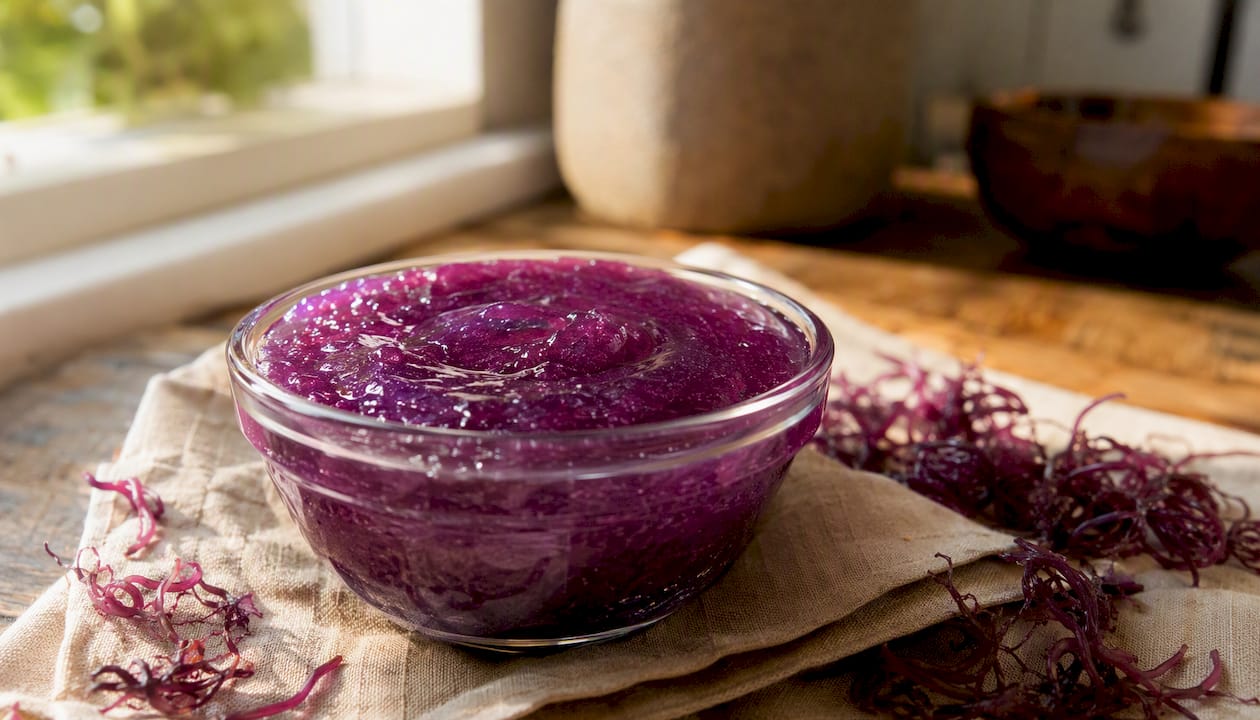
Sebian Sea Moss (Irish moss, Chondrus crispus): Promoted for mineral replenishment and thyroid support. Alkaherbs offers Purple Sea Moss and Honduras Sea Moss gel. Evidence level: traditional use and observational data; no clinical trials on diabetes control. High iodine content can affect thyroid function, which in turn affects glucose metabolism.
Burdock Root (Arctium lappa): Used traditionally for blood purification and liver support. Alkaherbs maintains a detailed burdock root guide covering dosage notes and preparation. Evidence level: limited animal-model data suggesting mild blood-glucose-lowering effects; no human clinical trials confirm this for diabetes management. Potential interaction with diuretics and blood-thinning medications.
Duck Flower (Aristolochia grandiflora): Used in Sebi-inspired protocols as a purging detox agent. Evidence level: anecdotal only. Aristolochic acid compounds in related species are nephrotoxic; anyone with kidney disease or reduced kidney function should avoid this herb entirely.
Blood Cleanse Capsules / proprietary blends: Alkaherbs offers a Blood Cleanse Capsules bundle marketed for blood detox. Ingredient lists should be reviewed with a clinician before use, particularly for anyone on anticoagulants or antihypertensives.
“Sebi followers are instructed to take supplements one hour before medications to avoid interactions — a timing rule that does not eliminate the risk of pharmacokinetic interference and should be discussed with a pharmacist.”
Healthline
For a curated starter list of alkaline herbs, Alkaherbs’s alkaline diet starter herb list is a practical reference.
What the evidence actually says about risks and benefits
Plant-based dietary patterns do carry real, documented metabolic benefits. A 2017 review cited by Medical News Today found that plant-based diets are associated with roughly half the risk of metabolic syndrome and type 2 diabetes compared to omnivorous diets. Those benefits come from the dietary pattern itself, not from Sebi’s mucus theory or his proprietary supplements.
No clinical trials have evaluated the Sebi protocol specifically for diabetes management. The evidence base is anecdotal.
| Risk | Practical consequence | Mitigation |
|---|---|---|
| Vitamin B12 deficiency | Nerve damage, anemia, fatigue | Test B12 at baseline and every 6 months; supplement if levels drop |
| Hypoglycemia | Dangerous blood-sugar lows if medications are not adjusted | Monitor fasting and postprandial glucose; review medications with clinician |
| Iodine excess (sea moss) | Thyroid disruption affecting glucose control | Limit sea moss to recommended serving; test TSH if symptomatic |
| Caloric restriction | Unintended weight loss, muscle loss | Track intake; maintain adequate protein from approved plant sources |
| Herb-drug interactions | Altered medication efficacy or toxicity | Disclose all supplements to prescribing clinician and pharmacist |
Structured DSME (diabetes self-management education) improves glycemic control and reduces diabetes-related distress. Pairing any dietary experiment with formal DSME gives you the monitoring framework to catch problems early. Person-centered education approaches, including goal-setting and shared decision-making, show better self-care outcomes across systematic reviews of TPE interventions.
Safety recommendations:
- Review all current medications with your clinician before starting
- Monitor fasting blood glucose daily and postprandial glucose two hours after meals
- Schedule HbA1c at baseline and at three months
- Check electrolytes, B12, and thyroid function at baseline and six months
- Disclose every supplement to your healthcare team
How to try elements of the Sebi approach safely
- Discuss with your clinician first. Bring a written list of every dietary change and supplement you plan to try. Ask specifically about medication adjustment thresholds.
- Get baseline labs. Fasting glucose, HbA1c, B12, electrolytes, TSH, and a basic metabolic panel before you change anything.
- Start one change at a time. Add one approved food group or herb per week. This makes it possible to attribute any glucose change to a specific variable.
- Set a glucose-monitoring schedule. Fasting glucose every morning; postprandial checks two hours after the largest meal; log everything.
- Plan a follow-up. Schedule a clinician visit at four to six weeks to review glucose logs and labs.
Monitoring checklist:
- Fasting glucose: daily
- Postprandial glucose: after largest meal, daily for the first month
- HbA1c: at baseline, then at 3 months
- B12: at baseline, then at 6 months
- Electrolytes and kidney function: at baseline, then at 6 months
- Weight: weekly
- Supplement list: updated and shared with clinician at every visit
When using Alkaherbs products as adjuncts, bring the product label to your appointment. Never stop insulin or oral diabetes agents without explicit clinician instruction, even if glucose readings improve.
Warning signs that mean stop immediately
Stop and check your glucose now if you experience:
- Shakiness, sweating, confusion, or rapid heartbeat unresponsive to oral carbohydrates (hypoglycemia unresponsive to treatment)
- Nausea, vomiting, rapid or labored breathing, or fruity-smelling breath (possible DKA)
- Severe weakness, fainting, or loss of consciousness
- Irregular heartbeat or muscle cramps (possible electrolyte imbalance from high water intake)
- New or worsening swelling in legs or face (fluid overload, especially with high water intake and kidney or heart conditions)
Urgent action: Check blood glucose immediately. If glucose is below 70 mg/dL and not responding to carbohydrate intake, or above 300 mg/dL with symptoms, call emergency services. Contact your prescribing clinician the same day for any of the above. Stop any supplement you suspect may be contributing and bring the label to your appointment.
Escalate to emergency care for DKA symptoms, loss of consciousness, or hypoglycemia that does not resolve within 15 minutes of treatment. An urgent clinic visit (within 24 hours) is appropriate for persistent glucose readings outside your target range, new electrolyte symptoms, or unexplained weight loss exceeding two pounds per week.
A candid perspective on Sebi-inspired herbs and responsible use
The appeal of Dr. Sebi’s framework is real. For many people, it represents the first time they have felt agency over a chronic condition that conventional medicine frames as progressive and medication-dependent. That motivation deserves respect, not dismissal.
What I find genuinely useful in the Sebi approach is its emphasis on whole, unprocessed plant foods. The evidence that this dietary pattern supports metabolic health is solid. Where the framework asks for more scrutiny is in the leap from “plant foods are beneficial” to “mucus causes diabetes and herbs can cure it.” Those are different claims with very different evidence bases, and conflating them can lead people to delay care that genuinely protects them from complications.
Alkaherbs sources non-GMO, wildcrafted alkaline herbs aligned with Dr. Sebi’s teachings and provides transparent ingredient information. The brand’s position is that these herbs work best as adjuncts to, not replacements for, medical care. No herb in the Sebi protocol has been shown in clinical trials to control blood glucose the way metformin or insulin does. Acknowledging that honestly is what responsible herbal practice looks like.
The mineral-rich herb rationale that Sebi emphasized is worth understanding on its own terms. Mineral depletion is real in people with diabetes, and targeted herbal support for micronutrient status has a plausible, if limited, evidence base. That is a narrower and more defensible claim than “cure.”
Alkaherbs products that support a Sebi-inspired plan
If you have cleared dietary and supplement changes with your clinician, Alkaherbs offers several products that align with the Sebi protocol. Purple Sea Moss supports mineral replenishment and is one of the most widely used Sebi-protocol staples. The Blood Cleanse Capsules bundle is marketed for blood detox and contains herbs traditionally used for circulation support. For a broader selection of alkaline herbs, the alkaline herbs category at Alkaherbs lists sourcing details and ingredient transparency for each product.
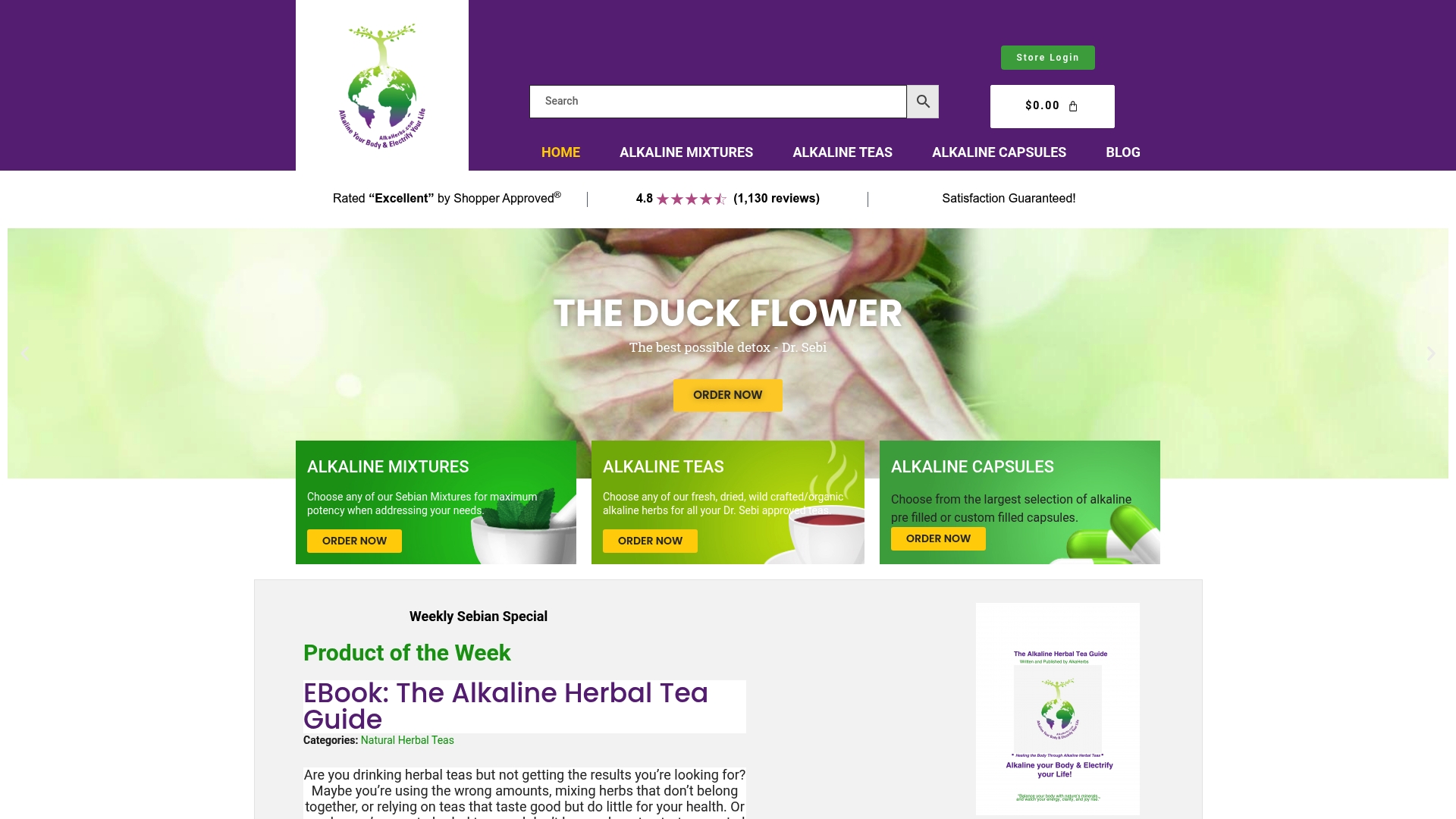
Every product page includes ingredient information you can share directly with your healthcare team. Browse the full range, pick one or two adjuncts that fit your clinician-approved plan, and disclose them at your next appointment. That is the safest and most productive way to integrate Sebi-inspired herbs with your existing diabetes care.
Sources
- Dr. Sebi diet review: Method, evidence, benefits, and risks (Healthline)
- Dr. Sebi diet rules: Foods to eat and avoid (MedicineNet)
- Dr. Sebi diet review: Weight loss, benefits, and downsides (Medical News Today)
- Type 2 diabetes in adults: management – NCBI Bookshelf
- Structured DSME intervention study (PMC)
This article is for general informational purposes only and is not a substitute for professional medical advice. Consult your clinician or a registered dietitian before making significant changes to your diet, medications, or supplement regimen.