

How to Choose High-Quality Herbal Tinctures: A Buyer’s Guide
A high-quality herbal tincture shows four things on the label before you spend a dollar: the full Latin botanical name (not just “elderberry”), the specific plant part used, a clear extraction ratio within the typical industry range, and a lot-specific third-party Certificate of Analysis (COA). Miss any one of these and you are buying on faith.
Here is what to check before you buy:
- Full Latin binomial (e.g., Sambucus nigra, not “elderberry”) — confirms species identity, since common names cover multiple plants with different chemistry
- Plant part declared (root, leaf, bark, flower, berry) — the active compounds differ by part, so “echinacea” without “root” or “aerial parts” is incomplete
- Extraction ratio (1:4 or 1:5 is the industry norm for dried herbs) — tells you how many grams of herb went into each milliliter of solvent
- Solvent type and ethanol % — alcohol percentage determines which compounds are extracted; an ethanol percentage suitable for most herbs
- Lot-specific COA from a third-party lab — confirms identity, potency markers, heavy metals, and microbial safety for that exact batch
Screenshot this list. You will use it every time.
Key Takeaways
A high-quality herbal tincture is identifiable by five verifiable label markers, and no amount of marketing language substitutes for a lot-matched, third-party COA.
| Point | Details |
|---|---|
| Latin name + plant part | Both must appear on the label; common names alone cannot confirm species or chemistry. |
| Extraction ratio | Look for 1:4 or 1:5 for dried herbs; this figure lets you compare potency across products. |
| COA lot matching | The COA lot number must match your bottle — a general COA does not cover your specific batch. |
| Third-party seals | USP, NSF, and ConsumerLab each verify identity and purity independently of the manufacturer. |
| Alkaherbs | Sources organic and wildcrafted alkaline herbs with declared botanical names and transparent sourcing for detox and wellness protocols. |
Table of Contents
- How extraction choices change what you actually get
- Choosing high-quality herbal tinctures: the complete label checklist
- Red flags, safety, and what the FDA actually regulates
- Shelf life, storage, and how to read potency for dosing
- Where to buy trustworthy tinctures in the U.S. and which seals matter
- A step-by-step buying checklist for the shelf or product page
- Why label clarity is the first thing I look for
- Alkaherbs products and how they align with this checklist
- Sources
How extraction choices change what you actually get
A tincture is, at its simplest, plant material steeped in a solvent until the target compounds migrate out of the herb and into the liquid. The solvent choice is where most of the quality variation lives.
Ethanol (grain alcohol) is the most effective broad-spectrum solvent because it pulls both water-soluble compounds (glycosides, tannins, minerals) and fat-soluble ones (resins, essential oils, alkaloids) simultaneously. That dual action is why most professional-grade tinctures use ethanol. Glycerin extracts water-soluble constituents reasonably well and is alcohol-free, making it suitable for children or those avoiding alcohol, but it leaves resins and fat-soluble compounds behind. Apple cider vinegar and honey-based oxymels are gentler still and work for mild herbs, though their shelf lives are shorter and their extraction depth is limited.
The starting material also matters. Fresh herbs contain water, which dilutes the solvent and changes the effective alcohol percentage during maceration. Dried herbs have that water removed, so the solvent concentration stays consistent throughout extraction. This is why extraction ratios are typically expressed on a dry-weight basis: a 1:5 ratio means 1 gram of dried herb per 5 mL of solvent. Herbal Academy’s breakdown of weight-to-volume tinctures explains how this ratio helps consumers compare relative potency between products.
Maceration (soaking herb in solvent for days to weeks) is the most common small-batch method. Percolation runs solvent continuously through packed herb material and tends to produce more consistent extraction, which is why larger manufacturers favor it.
| Solvent | Typical ABV/Concentration | Best for | Limitation |
|---|---|---|---|
| Ethanol | 25–60% ABV | Resins, alkaloids, glycosides, tannins | Not suitable for alcohol-sensitive users |
| Glycerin | Food-grade, undiluted or 60% in water | Water-soluble compounds, children’s formulas | Misses fat-soluble constituents |
| Apple cider vinegar | 5% acetic acid | Mineral-rich herbs, mild tonics | Short shelf life, narrow extraction range |
| Oxymel (honey + vinegar) | Variable | Respiratory herbs, palatability | Limited potency, shortest shelf life |
Clinical evidence for many herbal tinctures remains limited or mixed, and peer-reviewed research notes that potency and formulation differences make it difficult to apply study results directly to commercial products. That is precisely why label transparency matters more than marketing claims.
Choosing high-quality herbal tinctures: the complete label checklist
Full Latin binomial
The Latin binomial is the species guarantee. “Echinacea” covers at least three species (E. purpurea, E. angustifolia, E. pallida) with meaningfully different phytochemical profiles. A label that says only “echinacea” tells you nothing about which one you are getting. The American Herbal Products Association (AHPA) is explicit: full Latin species name and plant part declaration are core quality markers, not optional extras.
Plant part
Roots, bark, leaves, flowers, and berries are chemically distinct even on the same plant. Valerian root (Valeriana officinalis root) contains the valerenic acids associated with its calming properties; the aerial parts do not. Elderflower (Sambucus nigra flower) has different constituents than elderberry (Sambucus nigra berry). When a label omits the plant part, you cannot verify whether the manufacturer used the part with the relevant chemistry.
Extraction ratio
Extraction ratios around 1:4 to 1:5 are commonly used and standard for dried herbs. A 1:2 ratio is more concentrated and common with fresh herbs. The ratio alone does not tell you potency in absolute terms — a 1:4 of a weak herb is not stronger than a 1:5 of a potent one — but it lets you compare two products using the same herb on equal footing.
Ethanol percentage
Most quality tinctures typically have ethanol percentages falling within a moderate range suitable for extraction. Mucilaginous herbs like marshmallow root (Althaea officinalis) extract well at the lower end. If a label shows only “alcohol” without a percentage, that is a gap worth flagging.
Third-party COA
A COA from an ISO/IEC 17025-accredited laboratory should show identity confirmation (botanical ID), potency markers where applicable, heavy metal screening (lead, arsenic, cadmium, mercury), microbial counts, and residual solvent levels. The critical detail most buyers miss: the COA lot number must match the lot number printed on your bottle. A general COA posted on a website without lot matching tells you that some batch passed testing, not yours.
COAs dated within the past 12–18 months and tied to a specific lot are the standard to look for.
Sourcing claims
“Organic” and “wildcrafted” are meaningful when backed by a USDA Organic certification or a credible sourcing statement. “Natural” and “pure” are marketing language with no regulatory definition in the supplement space. Organic or wildcrafted plant material reduces pesticide residue risk, which matters especially for root-based tinctures where soil contaminants concentrate.
Sensory checks
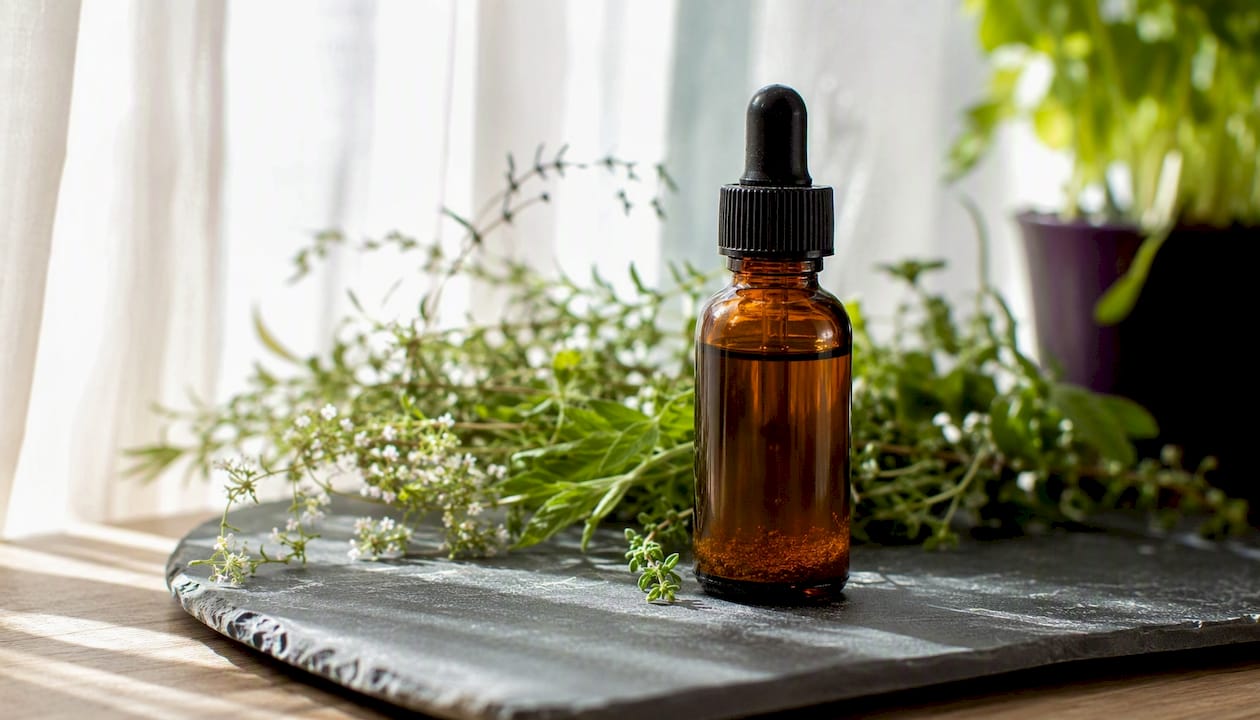
A well-made tincture should look, smell, and taste like the herb it came from. Echinacea tincture produces a characteristic tingling on the tongue. Valerian has a strong, earthy, slightly unpleasant smell. Elderberry tincture is deep purple-red. Pale color, no aroma, or a flat taste in a product claiming high potency is a signal worth questioning. Some fine sediment at the bottom of a dark glass bottle is normal and not a defect. Cloudy liquid with unusual odor or color change after opening is not.
Standardized vs. full-spectrum
St. John’s Wort). Full-spectrum tinctures preserve the whole phytochemical profile of the plant, including minor constituents that may contribute to the overall effect. Neither is categorically superior. Standardized extracts offer dosing consistency; full-spectrum products reflect how the herb grows and may capture synergistic compounds not yet identified. The right choice depends on your purpose.
Numbered checklist to score a bottle:
- Latin binomial present and complete?
- Plant part declared?
- Extraction ratio stated (e.g., 1:4 or 1:5)?
- Ethanol % or solvent type listed?
- Lot-specific COA available (not just a generic one)?
- COA lot number matches the bottle?
- Sourcing claim backed by certification or a verifiable statement?
- Sensory profile consistent with the herb?
- No miracle-cure language or unapproved health claims?
- Expiration date or best-by date present?
Pro Tip: If a brand publishes only a general COA on its website, email customer support with your lot number and ask for the lot-specific report. Reputable manufacturers keep these on file and will send them.
| Quality marker | What to look for | Red flag |
|---|---|---|
| Latin binomial | Full species name (e.g., Valeriana officinalis) | Common name only |
| Plant part | Root, leaf, flower, berry, bark | Not listed |
| Extraction ratio | 1:4 or 1:5 for dried herbs | Missing or vague |
| Ethanol % | 25–60% ABV range | “Alcohol” with no % |
| COA | Lot-specific, ISO lab, dated within 18 months | Generic or undated |
| Sourcing | USDA Organic or wildcrafted with detail | “Natural,” “pure,” no backing |
Red flags, safety, and what the FDA actually regulates
Label red flags that should stop you
- No COA available, or only a general COA without lot matching
- Common name only on the label (no Latin binomial)
- “Proprietary blend” with no individual amounts disclosed
- Missing extraction ratio or solvent information
- Claims that the product “cures,” “treats,” or “reverses” a disease — these violate FDA rules for dietary supplements
- No expiration or best-by date
- No contact information for the manufacturer
Safety and interactions
Mayo Clinic recommends that anyone taking prescription medications consult a clinician before adding herbal supplements, particularly for herbs known to affect anticoagulants (ginkgo, garlic, ginger at high doses), sedatives (valerian, kava), or CYP450 liver enzymes (St. John’s Wort is the most studied example, but others apply). Pregnancy and breastfeeding are life-stage cautions that apply broadly: many herbs have not been studied in these populations, and some carry known risks. The NCCIH consistently advises consumers to discuss herbal product use with a healthcare provider, especially when managing a chronic condition.
How the FDA regulates supplements
The FDA classifies dietary supplements differently from prescription drugs. Manufacturers do not need to prove safety or efficacy before selling a product. The FDA can act after a product is on the market if it is found to be unsafe, but pre-market approval is not required. This is why independent third-party testing fills a real gap. Organizations like USP (United States Pharmacopeia), NSF International, and ConsumerLab test products against label claims, check for contaminants, and verify that what is on the label is in the bottle. Their seals do not guarantee therapeutic effect, but they do confirm that the product contains what it says it does.
Before you buy: Always request a lot-specific Certificate of Analysis and match the lot number to your bottle. A COA without a matching lot number is not evidence that your product passed testing — it is evidence that some product did.
Shelf life, storage, and how to read potency for dosing
How long do tinctures last?
Solvent type is the main driver of shelf life. Alcohol-based tinctures at 25% ABV or higher are self-preserving and typically remain stable for 3–5 years when stored properly, according to Verywell Health’s overview of tincture composition and safety. Glycerin-based tinctures are more vulnerable to microbial growth and generally last 1–2 years. Vinegar and oxymel preparations have the shortest shelf lives, often under a year once opened.
Signs a tincture has degraded: color has shifted significantly from what it was when purchased, aroma has gone flat or turned rancid, or visible mold or unusual cloudiness has appeared. Sediment alone is not a sign of spoilage.
Storage basics
Keep tinctures in dark glass bottles away from heat and direct light. A cool, dry cabinet works well. Avoid storing near a stove or in a bathroom where humidity fluctuates. Keep the original bottle with its lot number and COA together — if you ever need to report a reaction or verify a batch, that information is what you will need.
Translating extraction ratio into dosing math
Here is a practical example. A 30 mL bottle with a 1:5 extraction ratio and a serving size of 2 mL twice daily (4 mL/day) gives you 7.5 days of supply. If the same bottle were a 1:4 ratio, the herb concentration per mL is higher, so some practitioners use a slightly smaller serving. Always follow the manufacturer’s suggested serving unless a qualified herbalist or clinician has advised otherwise.
| Solvent | Typical shelf life | Storage priority | Potency note |
|---|---|---|---|
| Ethanol (25%+ ABV) | 3–5 years | Dark glass, cool and dry | Most stable; broad extraction |
| Glycerin | 1–2 years | Refrigerate after opening | Alcohol-free; narrower extraction |
| Apple cider vinegar | Under 1 year | Refrigerate; use quickly | Mild herbs only |
| Oxymel | Under 1 year | Refrigerate; use quickly | Palatability-focused; lowest potency |
For general wellness use, most tincture manufacturers suggest 1–3 mL once or twice daily. Acute protocols (short-term, higher frequency) are sometimes used by practitioners but should be discussed with a clinician, especially for herbs with known interaction risks or for anyone in a special population (children, pregnant or breastfeeding individuals, those on multiple medications).
Where to buy trustworthy tinctures in the U.S. and which seals matter
Buying channels
Reputable herb retailers with dedicated quality programs, practitioner dispensaries, and brand direct-to-consumer websites are generally more reliable than mass-market general retailers, where turnover is slower and staff cannot answer sourcing questions. Specialty herbal shops often carry products from smaller producers who publish full label information and lot COAs. When buying online, look for a product page that shows the extraction ratio, ethanol %, and a downloadable or requestable COA before you add to cart.
Certifications that reduce risk
- USP Verified: Tests that the product contains the ingredients listed, in the stated amounts, without harmful contaminants, and that it will dissolve properly. USP does not evaluate therapeutic claims.
- NSF Certified for Sport / NSF Contents Certified: NSF tests for contaminants and label accuracy. The “Certified for Sport” designation also screens for banned substances.
- ConsumerLab Approved: ConsumerLab purchases products on the open market and tests them independently. Their approval mark means the product passed their testing criteria for identity and purity.
None of these seals guarantee that a tincture will produce a specific health outcome. They confirm that the product is what it claims to be, which is the baseline you need before evaluating anything else.
Questions to ask before you buy
- Can you provide a lot-specific COA for the batch currently in stock?
- What lab performed the testing, and is it ISO/IEC 17025-accredited?
- Is the herb organic or wildcrafted, and can you show documentation?
- What is the extraction ratio and ethanol percentage for this product?
- What is the expiration date on current inventory?
A brand that cannot answer these questions clearly is telling you something.
A step-by-step buying checklist for the shelf or product page
Use this in under two minutes to decide whether a bottle is worth buying.
- Define the job. What specific outcome are you looking for? Matching the right herb and plant part to a clear purpose beats buying the most popular product.
- Find the Latin binomial. If only a common name appears, stop here unless you can verify the species elsewhere on the product page.
- Check the plant part. Confirm it matches the part associated with your intended use.
- Read the extraction ratio. Look for 1:4 or 1:5 for dried herbs. Note it for comparison shopping.
- Find the ethanol %. Confirm it falls in the 25–60% ABV range for most herbs, or higher for resinous plants.
- Locate the COA. Is it lot-specific? Does the lot number match the bottle or current inventory?
- Check the lab. Is the testing lab ISO/IEC 17025-accredited or affiliated with USP, NSF, or ConsumerLab?
- Evaluate sourcing claims. Is “organic” backed by USDA certification? Is “wildcrafted” explained with geographic or harvest detail?
- Do the serving math. Divide bottle volume by daily serving size to get days of supply. Compare cost per day across products with the same extraction ratio.
Example: 60 mL bottle, 2 mL serving once daily = 30 days. At $28, that is $0.93/day. A 30 mL bottle at $16 with the same ratio = $1.07/day. - Verify COA + lot number. Match them. If the COA is undated or has no lot number, request a current one before purchasing.
Pro Tip: Note the COA date when you buy. If you reorder the same product months later, request a fresh COA for the new lot — testing from a previous batch does not cover a new production run.
Why label clarity is the first thing I look for
Most people shopping for herbal tinctures focus on the herb itself. They research the plant, read about its traditional uses, and then buy the first product that comes up in search results. The label is an afterthought.
That approach has a real cost. When a label omits the extraction ratio or lists only a common name, you cannot verify potency or species. When no lot-specific COA is available, you have no independent confirmation that the product is free of heavy metals or microbial contamination. These are not theoretical concerns. The AHPA’s guidance on label transparency exists precisely because identity failures and contamination events have occurred in the supplement market.
Transparency also signals something about a manufacturer’s process. A brand that publishes lot-specific COAs, lists full Latin names, and discloses extraction ratios is a brand that has thought carefully about quality control. That correlation is not perfect, but it is the most reliable signal available to a consumer who cannot visit the production facility.
Working with people who use alkaline and detox herbs, I have seen the difference that sourcing clarity makes. When someone can trace their product to a specific lot, a specific harvest, and a specific test result, they are not just buying an herb. They are buying accountability.
Alkaherbs products and how they align with this checklist
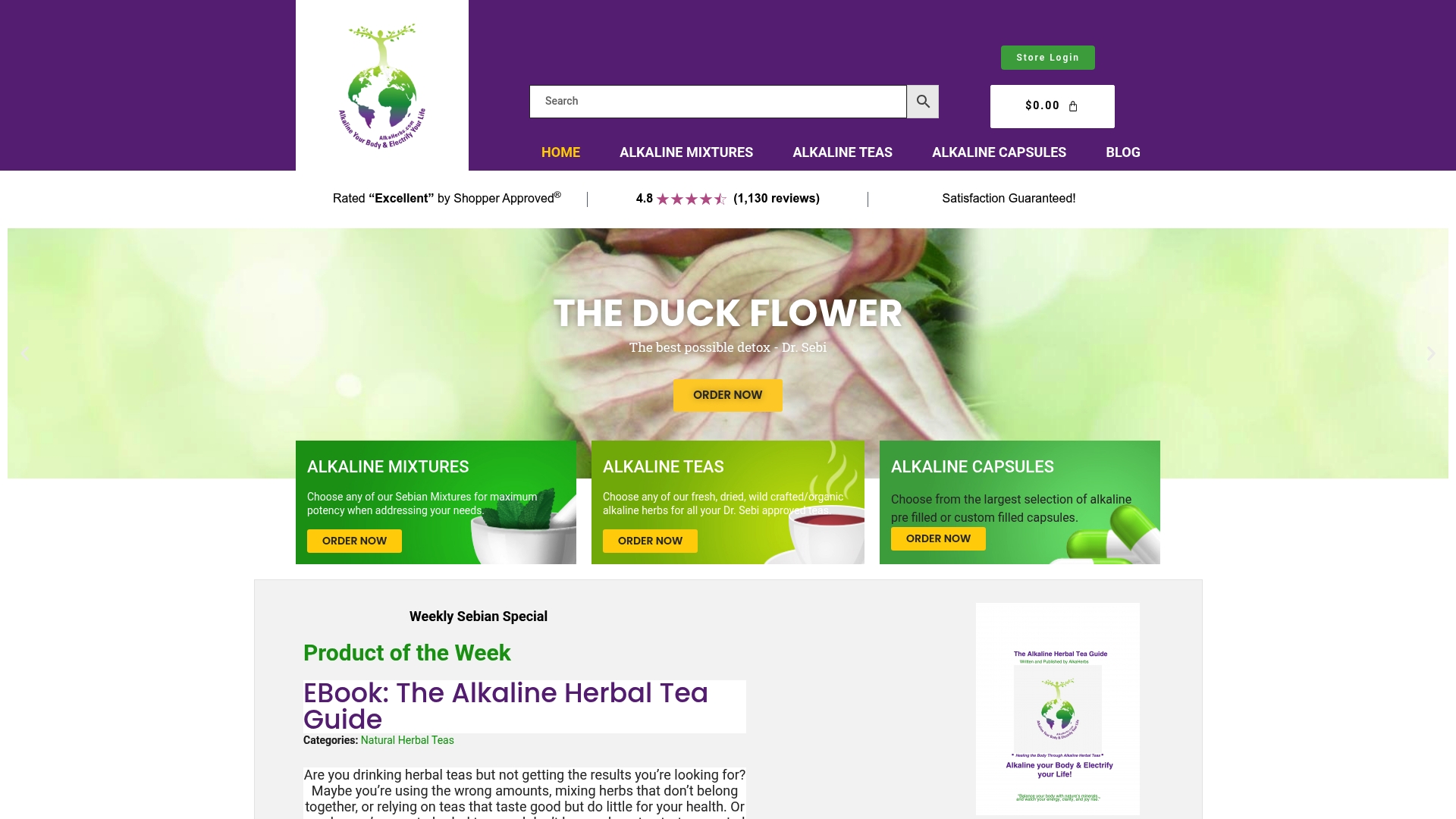
Alkaherbs sources organic and non-GMO alkaline herbs rooted in Dr. Sebi’s herbal tradition, with a focus on transparency that maps directly to the checklist above. Products list botanical names and plant parts, sourcing is declared as organic or wildcrafted where applicable, and the brand does not rely on vague “proprietary blend” language to obscure what you are getting.
For readers who want a starting point, the alkaline herbs collection covers a range of herbs used for detoxification, blood cleansing, and mineral support, with product pages that include sourcing detail. The Full Body Detox (30-Day Supply) is a practical option for those working through a structured protocol, with a clearly defined serving size that makes the dosing math straightforward.
Before purchasing any product, apply the checklist: verify the lot-specific COA, confirm the extraction details match your intended use, and check the serving math against your daily routine. Alkaherbs’ customer support can assist with COA requests for current inventory.
Sources
These U.S.-focused references support the guidance in this guide and are worth bookmarking for ongoing research.
- American Herbal Products Association (AHPA)
- Dietary and herbal supplements — NCCIH
- Dietary supplements — U.S. Food and Drug Administration (FDA)
This article is for general informational purposes only and is not a substitute for professional medical advice. Consult a qualified healthcare provider before using herbal supplements, especially if you take prescription medications, are pregnant or breastfeeding, or have a chronic health condition.