

Alkaline Shopping List: 5 Starter Categories + Alkaherbs Bundle
An alkaline shopping list starts with five categories: sea moss for minerals, a full body detox formula, alterative blood cleanser capsules, daily alkaline herbal teas, and single herb powders or capsules like Duck Flower or bladderwrack. Alkaherbs carries all five, and every product page should show a Certificate of Analysis and clear botanical names before you check out.
TL;DR:
- Always verify the botanical name and specific plant part listed on the label to ensure product authenticity and safe dosing.
- Avoid products labeled as proprietary blends, and confirm batch and lot numbers, alongside verified Certificates of Analysis for quality assurance.
- Start with one seaweed product, one herbal capsule blend, and one tea, then add single herbs after a few weeks based on your body’s response.
- Be cautious if using herbs with medications like blood thinners or diabetes drugs, especially for pregnant, breastfeeding, or autoimmune individuals, and consult a healthcare professional beforehand.
- Purchase from sources that provide transparent testing, clear labeling, and reliable customer service to prevent exposing yourself to diluted, mislabeled, or contaminated products.
Table of Contents
- Your Alkaline Shopping List: Five Categories to Fill Your Cart
- What to Check on the Label Before You Buy
- Which Herbal Format Should You Choose?
- Are Alkaline Herbs Safe to Combine With Medications?
- Alka’s Take: What Actually Sets a Good Alkaline Product Apart
- Build Your Starter Bundle Directly Through Alkaherbs
- Where to Learn More Before You Buy
- Sources
Your Alkaline Shopping List: Five Categories to Fill Your Cart
Building a starter cart gets easier once you separate herbs by job. Some replenish minerals, some support elimination, some work as gentle daily maintenance. Here’s how to fill in each slot without duplicating what you already have.
-
Sea moss (Sebian Sea Moss, Purple Sea Moss). Sea moss is prized for its mineral density, and Alkaherbs sells it as both gel and powder. Gel works better if you’re blending it into smoothies daily; powder travels easier and lasts longer once sealed. Start with a small amount daily and build up as your body adjusts. Refrigerate gel after opening and keep powder in a cool, dry cabinet away from direct light.
-
Full Body Detox (30 Day Supply). This formula is built around a full month of use, not a quick weekend cleanse. It’s designed for people who want a structured entry point into herbal detox rather than piecing together five different products on their own. Follow the label’s daily schedule and track how you feel each week rather than judging results after day three.
-
Alterative and blood cleanser capsules. Herbs like red clover, burdock root, dandelion, and nettle leaf fall into a category herbalists call alteratives, traditionally used in blood-cleansing formulas. Alkaherbs’ Sea Moss and Bladderwrack Capsules fit here too, combining seaweed minerals with the convenience of a fixed capsule dose. Capsules make the most sense if you dislike the taste of loose herbs or you’re traveling and need something you can toss in a bag.
-
Alkaline herbal teas. Teas work best as the daily, low-intensity layer of your routine, something you sip in the morning or evening rather than a concentrated treatment. A daily alkaline tea pairs naturally with a capsule or powder regimen instead of replacing it.
-
Single-herb powders and capsules. Duck Flower, bladderwrack, and sarsaparilla each target something specific: Duck Flower is a staple in Dr. Sebi–style detox routines, bladderwrack brings iodine and trace minerals from seaweed, and sarsaparilla has a long history of traditional use for skin and joint support. Buy these individually once you know which single herb your routine is missing, rather than defaulting to a blend.
A reasonable starter cart looks like one seaweed product, one capsule blend, and one tea. Add single-herb powders once you’ve used the basics for a few weeks and know what your body responds to.
What to Check on the Label Before You Buy
Not every herbal product on the market is what it claims to be. A few minutes reading the label before you buy saves you from wasting money on something diluted, mislabeled, or expired before it ships.
- Confirm the Latin name and plant part. “Sea moss” or “burdock” alone isn’t enough. The label should list the botanical name (Chondrus crispus for Irish sea moss, Arctium lappa for burdock root) and specify whether it’s the root, leaf, or whole plant. This detail, along with batch numbers and testing, is what consumer guides on herbal supplement safety point to first.
- Look for a real Supplement Facts panel, not a “proprietary blend.” A proprietary blend hides how much of each herb you’re actually getting, which makes it impossible to dose accurately or compare products.
- Find the batch or lot number and harvest or expiration date. These should be printed on the packaging or listed on the product page, not something you have to request separately.
- Ask for a linked Certificate of Analysis (COA). A trustworthy COA names the testing lab and confirms results against that specific batch number, not a generic template reused across products.
- Check for heavy-metal and microbial testing, especially on seaweed. Sea moss and bladderwrack can concentrate heavy metals from the water they grow in, so testing here matters more than it does for a land-grown herb.
- Verify shipping, storage, and return policy before checkout. A seller with a working contact page and clear return terms is a basic sign the business stands behind what it sells.
- Buy a small quantity first. Try a starter size, watch for any reaction over the first week, and jot down a quick note if anything feels off.
Pro Tip: Keep a simple two-line log for two weeks: date, product and dose, and how you felt that day. It takes thirty seconds and gives you real data instead of guesswork if something doesn’t agree with you.
Which Herbal Format Should You Choose?
Format changes how fast an herb acts and how easy it is to dose consistently.
- Tea is the gentlest entry point. Steep for 5 to 10 minutes, once or twice daily, and treat it as background support rather than a concentrated dose.
- Sea moss gel or powder works for daily mineral replenishment. A standard serving runs about a teaspoon of gel or a smaller measured scoop of powder, and the two are largely interchangeable once you know your preferred texture.
- Capsules win on convenience and consistency. Because the dose is fixed per capsule, they’re easier to standardize than loose powder, provided the label shows an actual milligram amount instead of a proprietary blend.
- Tinctures and extracts are the most concentrated format, so start with the lowest suggested amount and increase gradually rather than jumping to a full dose on day one.
Whatever format you pick, keep a two to four week log of energy, digestion, and sleep. If something feels off or a change persists beyond a few days, that’s your signal to pause and check in with a professional rather than push through.
Are Alkaline Herbs Safe to Combine With Medications?
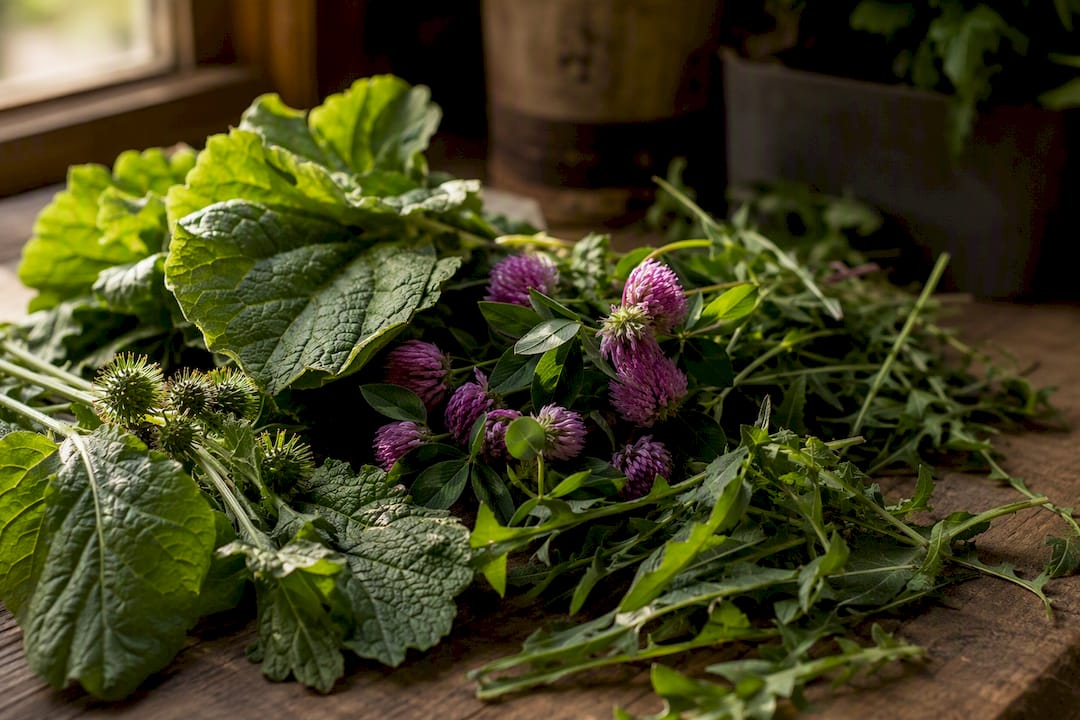
Herbs are potent precisely because they’re active, and that means some deserve real caution. If you take blood thinners, blood pressure medication, or diabetes medication, several common alteratives can amplify those effects, so check with a pharmacist before adding red clover, burdock, or nettle blends to your routine.
Pregnant or breastfeeding readers, and anyone managing an autoimmune condition or organ disease, should talk to a clinician before starting any detox formula, not after. Sea moss and other seaweeds carry a known contamination risk for heavy metals if they’re harvested from polluted waters, which is exactly why a COA tied to the specific batch number matters more here than with most land-grown herbs.
Watch for these red flags on any product:
- No batch or lot number anywhere on the packaging or listing
- A vague “proprietary blend” with no milligram amounts
- A COA that can’t be verified or doesn’t match the lot you’re holding
- No working contact information for the seller
If something feels wrong after starting a new herb, stop, note the product name and batch number, and reach out to a pharmacist or doctor with that information in hand.
Alka’s Take: What Actually Sets a Good Alkaline Product Apart
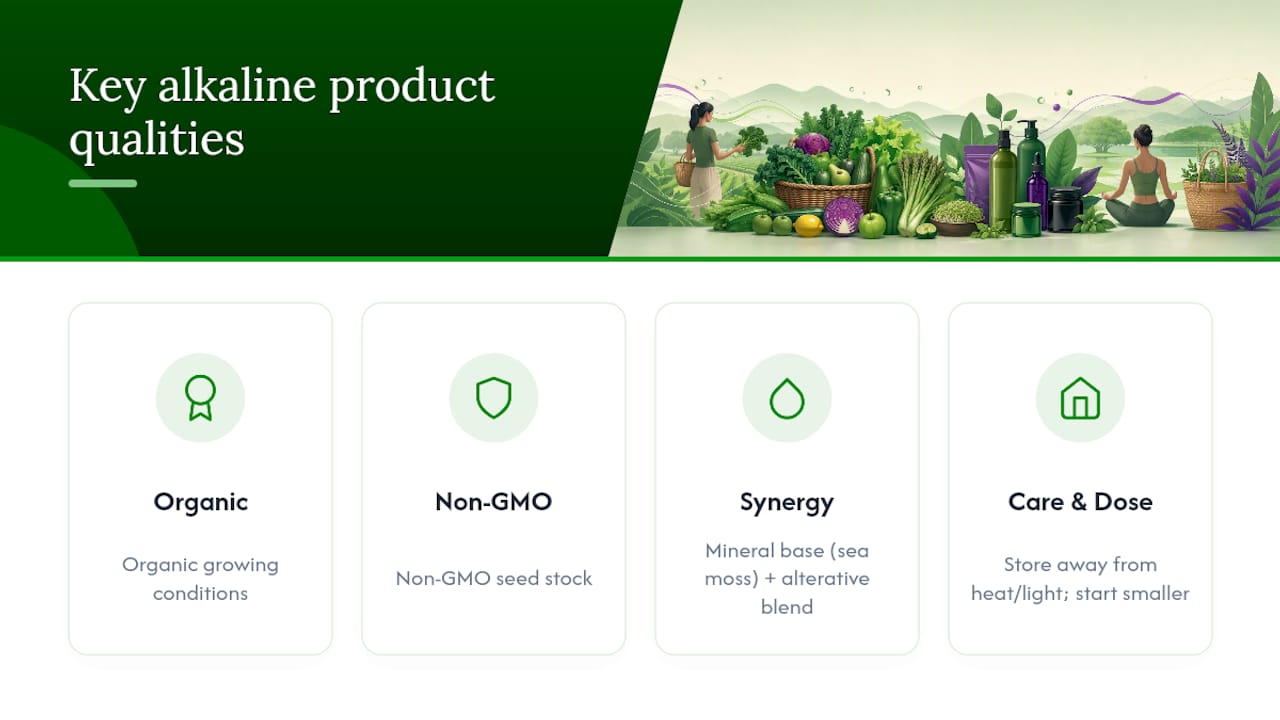
The gap between a mediocre alkaline product and a genuinely good one usually comes down to sourcing decisions made long before it reaches a shelf: organic growing conditions, non-GMO seed stock, and honest labeling. Customers who see real results tend to report changes gradually, over weeks of consistent use, not overnight.
The best routines pair a mineral base like sea moss with an alterative blend rather than relying on one herb alone, since traditional alterative formulas were built as synergistic combinations, not solo ingredients. Store everything away from heat and light, and always start smaller than you think you need to.
— Alka
Build Your Starter Bundle Directly Through Alkaherbs
Skip the guesswork of piecing together herbs from five different sellers with five different quality standards. Alkaherbs sources organic, non-GMO herbs and posts Certificates of Analysis directly on product pages, so you can verify what you’re buying before it ships instead of hoping the label is accurate.
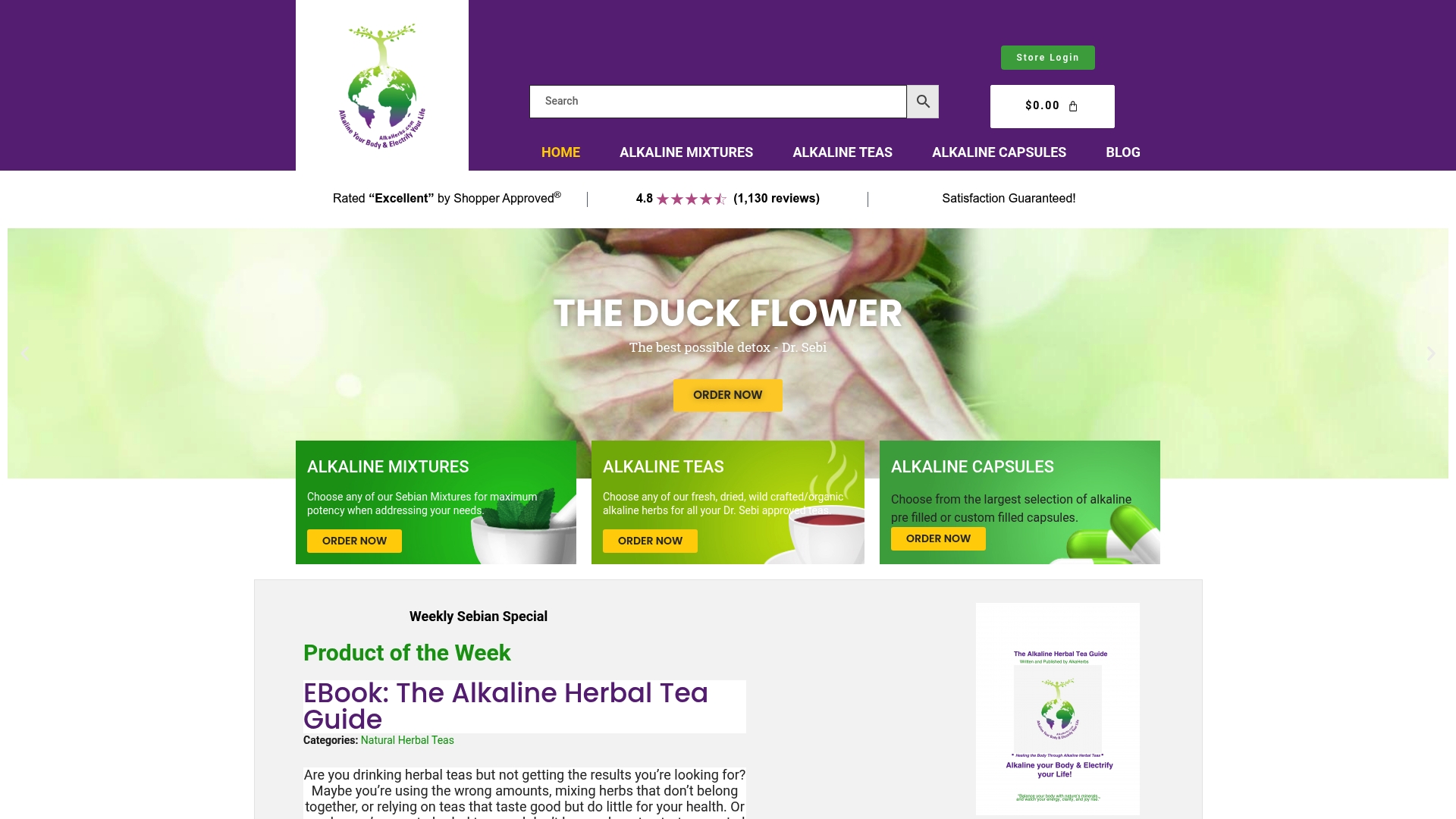
A practical starter bundle looks like this: Purple Sea Moss for daily minerals, the Full Body Detox 30 Day Supply for a structured month-long reset, and a daily alkaline herbal tea to round out the routine. Each product page lists the botanical names, plant parts, and testing details covered in this guide, so you can check the label before you commit. Browse the full alkaline herbs collection and add your starter bundle to cart today.
Where to Learn More Before You Buy
A few outside resources back up the label checks and safety points covered here, worth bookmarking before your next order.
- Herbal Academy’s guide to alterative herbs for a deeper look at blood-cleansing plant combinations
- Florva Health’s storage guide for keeping powders and capsules fresh between uses
- Organic Fuel’s guide on supplement marketing claims for spotting misleading “miracle cure” language
This article is general information, not a substitute for advice from a qualified doctor. Consult a qualified healthcare professional about your own circumstances before acting on anything here.