

Can an Alkaline Diet Actually Improve Immune Function?
An alkaline-focused eating pattern can support immune health, but not by changing your blood pH. The real mechanism is simpler and better supported: more vegetables, more minerals, less processed food. That shift in diet quality is what the evidence actually backs.
Three things worth knowing up front:
- Whole-food benefits are real. Fruits, vegetables, legumes, and nuts supply vitamin C, zinc, magnesium, and polyphenols that directly support white blood cell activity and reduce chronic inflammation.
- The pH claim is physiologically impossible. Your kidneys and lungs keep blood pH locked between 7.35 and 7.45 regardless of what you eat. Diet changes urine pH, not blood pH.
- Safety matters for some people. If you have kidney disease, take medications that affect mineral balance, or are pregnant, talk to a clinician before making major dietary shifts.
The practical plan, including what to eat, what to limit, and how to do it safely, is covered below.
Key Takeaways
An alkaline-focused eating pattern supports immune health through improved nutrient density and reduced processed-food intake, not through any change in blood pH.
| Point | Details |
|---|---|
| Blood pH does not change | Diet shifts urine pH and renal acid load; arterial blood pH stays at 7.35–7.45 regardless of food choices. |
| Nutrient density is the mechanism | Vitamin C, zinc, magnesium, and polyphenols from alkaline-forming foods directly support immune cell function. |
| No single food boosts immunity | Harvard Health and MD Anderson both confirm that consistent healthy habits, not individual foods, are the proven foundation. |
| Nutrient gaps are a real risk | Overly strict alkaline eating can lower protein, iron, B12, and calcium; plan deliberately to avoid shortfalls. |
| Alkaherbs for herbal support | Alkaherbs offers organic alkaline herbs, sea moss, and herbal teas to complement a plant-forward immune-support diet. |
Table of Contents
- How does an alkaline diet affect immune function?
- What your body actually does with pH
- What the science actually shows about alkaline eating and immunity
- Which alkaline-forming foods actually support immune health?
- Alkaline water, supplements, and herbal products: what the evidence says
- How to safely adopt an alkaline-focused eating pattern
- What actually works for immune health: the honest verdict
- A perspective worth considering
- Alkaherbs and alkaline-focused herbal support
- Sources
How does an alkaline diet affect immune function?
The term “alkaline diet” gets used loosely, so it helps to know what it actually describes. At its core, it is a plant-forward eating pattern that emphasizes fruits, vegetables, nuts, legumes, and some whole grains while limiting red meat, processed foods, refined sugar, and alcohol. The “alkaline” label comes from the idea that certain foods leave an alkaline metabolic residue after digestion, measured by a concept called Potential Renal Acid Load (PRAL).
Typical alkaline-forming foods:
- Leafy greens (spinach, kale, Swiss chard)
- Citrus fruits, berries, melons
- Cucumbers, bell peppers, broccoli, avocado
- Sea vegetables (dulse, kelp, sea moss)
- Almonds, pumpkin seeds, flaxseeds
- Lentils, chickpeas, black beans
- Herbal teas, green tea
Foods commonly limited:
- Processed meats, fast food
- Refined grains (white bread, pastries)
- Added sugar and soft drinks
- Excessive dairy and alcohol
Common claims range from “it changes your blood pH” (not supported) to “it reduces inflammation and supports immunity” (plausible, when the mechanism is diet quality rather than pH). The inflammation and immunity claims are worth taking seriously. The blood-pH claim is not.
What your body actually does with pH
Blood pH homeostasis is one of the tightest regulatory systems in human physiology. The kidneys filter bicarbonate and excrete acid; the lungs adjust carbon dioxide output in real time. Together, they hold arterial blood pH in a narrow band of roughly 7.35–7.45. That range does not budge meaningfully in response to food choices in healthy people.
What diet does change is urine pH and metabolic acid load. A high-PRAL diet (lots of meat, cheese, processed grains) increases the acid the kidneys must excrete. A low-PRAL diet (fruits, vegetables, legumes) reduces that load, which shows up as more alkaline urine. That shift is real and measurable. It just does not translate to a change in blood pH.
| What diet can change | What diet cannot change |
|---|---|
| Urine pH | Arterial blood pH |
| Renal acid load (PRAL) | Systemic acid-base balance |
| Inflammatory markers (indirectly, via nutrient intake) | Respiratory regulation of CO₂ |
| Gut microbiome composition | Blood bicarbonate in healthy people |
One counterintuitive detail: citrus fruits taste acidic but are metabolically alkalizing. Their mineral salts (potassium citrate, calcium) leave an alkaline residue after metabolism, which is why they appear on alkaline-food lists despite their low pH in the glass.
Pro Tip: If you want to track whether your diet is shifting your metabolic acid load, urine pH test strips (available at most pharmacies) give a rough real-time signal. Morning urine pH trending above 6.5 on a plant-rich diet is a reasonable indicator. Do not interpret this as blood pH — it is not.
What the science actually shows about alkaline eating and immunity
The Schwalfenberg review, one of the most cited peer-reviewed analyses on this topic, concluded that alkaline diets can alter urine pH and are associated with several health benefits, but those benefits appear to stem from improved overall diet quality rather than any change in blood pH. Some controlled work in older adults showed better muscle mass retention on alkaline-focused diets, likely due to higher potassium intake from produce rather than any pH-driven mechanism.
Cleveland Clinic guidance reinforces this: the alkaline diet can be safe and beneficial when it emphasizes whole foods, but the primary pH claim for blood is not supported. Overly rigid versions risk nutrient gaps, particularly low protein, iron, and calcium.
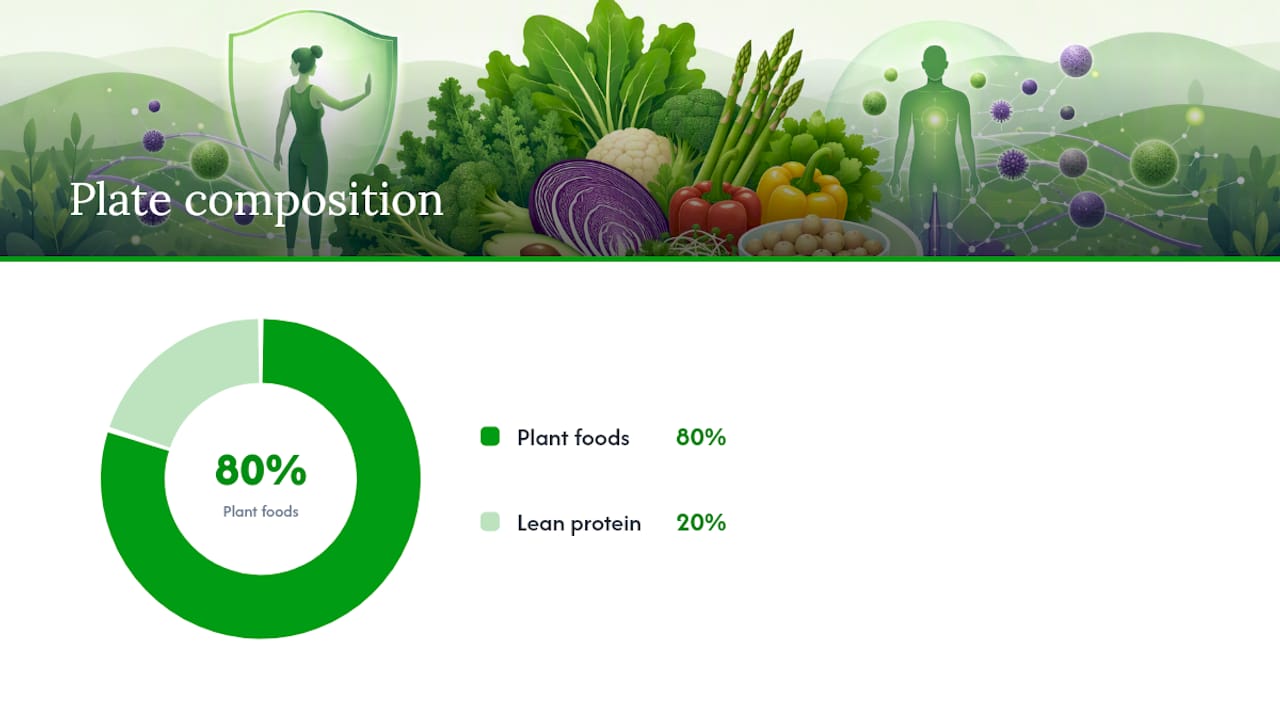
MD Anderson recommends filling two-thirds of the plate with plant-based foods and the remainder with lean proteins, limiting added sugar and processed foods, and focusing on overall health behaviors rather than any single “immune-boosting” claim.
Plausible mechanisms linking alkaline-style eating to immune support:
- Higher antioxidant intake (vitamins C, E, A precursors) reduces oxidative stress on immune cells
- Better micronutrient density (zinc, magnesium, selenium, folate) supports white blood cell production and signaling
- Improved potassium-to-sodium ratio reduces low-grade inflammation
- Less ultra-processed food means less added sugar, which can blunt immune cell activity
- Higher fiber intake supports a diverse gut microbiome, which is closely tied to immune regulation
Limitations worth knowing: No large randomized controlled trials have proven that alkaline eating improves immune outcomes by changing blood pH. Most studies are observational, short-term, or confounded by overall lifestyle. The honest read is that the dietary pattern is beneficial; the pH mechanism is not the reason why.
Which alkaline-forming foods actually support immune health?
The nutrients that matter most for immune function, vitamin C, zinc, vitamin A, folate, magnesium, selenium, and vitamin D, show up consistently in alkaline-forming foods. A clinical oncology review confirmed that alkaline foods supply many of these immune-relevant nutrients, while also noting that no single food prevents infection on its own.
Key alkaline foods and their immune-support nutrients:
- Citrus fruits (oranges, lemons, grapefruit): Vitamin C, which stimulates white blood cell production and activity
- Leafy greens (spinach, kale, collards): Beta-carotene (vitamin A precursor), folate, magnesium, vitamin K
- Sea vegetables (dulse, kelp, sea moss): Iodine, iron, trace minerals, and a broad spectrum of electrolytes
- Legumes (lentils, chickpeas, black beans): Zinc, plant protein, folate, iron
- Nuts and seeds (almonds, pumpkin seeds): Vitamin E, zinc, magnesium
- Berries (blueberries, strawberries): Polyphenols and vitamin C with strong antioxidant activity
- Broccoli and bell peppers: Vitamin C, sulforaphane, and beta-carotene
Sample one-day alkaline-focused meal outline:
| Meal | What to eat |
|---|---|
| Breakfast | Smoothie with spinach, frozen berries, banana, almond milk, and a tablespoon of ground flaxseed |
| Morning snack | An orange and a small handful of almonds |
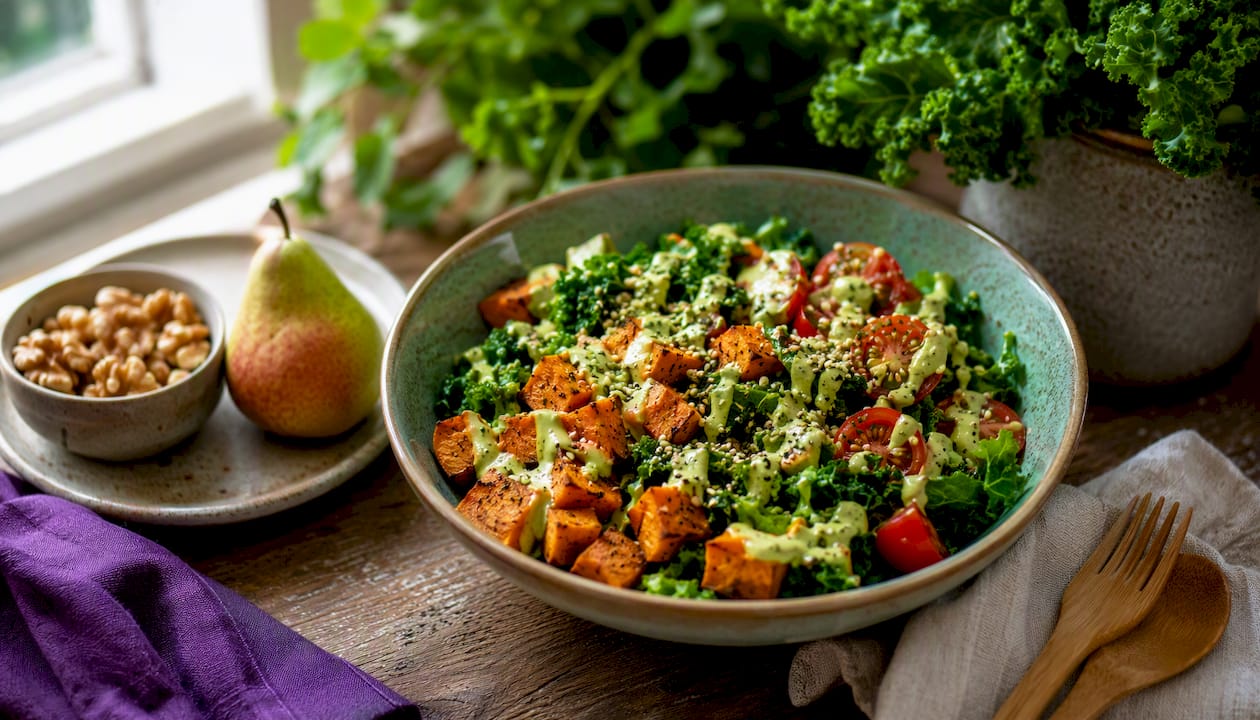
| Lunch | Large salad with mixed greens, chickpeas, cucumber, bell pepper, avocado, and lemon-tahini dressing |
| Afternoon snack | Sliced bell pepper with hummus |
| Dinner | Baked salmon or lentil stew with roasted broccoli, sweet potato, and a side of dulse flakes |
Pro Tip: Strict alkaline lists sometimes cut animal proteins entirely, which risks iron, B12, and complete-protein shortfalls over time. The Cleveland Clinic advises planning for adequate protein and micronutrients. A practical fix: keep fatty fish (salmon, sardines) or eggs two to three times per week, or pair legumes with fortified plant milks and nutritional yeast for B12.
Alkaline water, supplements, and herbal products: what the evidence says
Alkaline water (pH 8–9) is marketed as a way to shift body pH and support immunity. The evidence does not support those claims for systemic pH change. What alkaline water may do is temporarily raise urine pH and provide adequate hydration, both of which are modest benefits. No peer-reviewed trial has demonstrated that drinking alkaline water meaningfully improves immune function in healthy adults.
Potential risks and cautions to know:
- High-pH water can reduce stomach acid temporarily, which matters for people who rely on gastric acidity to neutralize pathogens
- Excessive mineral supplementation (calcium, magnesium) without clinical guidance can cause imbalances, particularly in people with kidney disease
- Some herbal products interact with medications (blood thinners, immunosuppressants, thyroid drugs); always disclose supplements to your prescriber
- Mineral overload from concentrated supplements is a real risk, especially for iodine from sea vegetables taken in large amounts
What may genuinely support immunity:
- Vitamin D (if blood levels are low, supplementation has solid evidence for immune function)
- A broad multivitamin when diet is restricted or nutrient gaps are likely
- Zinc lozenges during acute illness (short-term use, not ongoing high-dose supplementation)
- Herbal teas rich in antioxidants as a daily beverage habit
Herbal products in the alkaline wellness category, including sea moss for mineral replenishment and antioxidant-rich herbal teas, can complement a plant-forward diet. They are not substitutes for medical care, and anyone with kidney disease, a chronic illness, or a prescription medication regimen should consult a clinician before adding concentrated herbal supplements. Avoiding common detox mistakes like over-restricting food groups or stacking multiple concentrated supplements at once is especially worth reading up on before starting.
How to safely adopt an alkaline-focused eating pattern
The CDC links healthy routines, including a balanced diet, physical activity, healthy weight, and vaccination, to better immune function. An alkaline-focused eating pattern fits naturally into that framework when done without extreme restriction.
Step-by-step plan:
- Start with an 80/20 swap. Fill 80% of your plate with plant foods (vegetables, fruits, legumes, whole grains) and 20% with lean protein. You do not need to eliminate meat; reducing it is enough to shift your PRAL meaningfully.
- Add two extra vegetable servings daily. Aim for at least five total servings of vegetables and fruit per day. Leafy greens, cruciferous vegetables, and colorful produce give the widest micronutrient range.
- Include a sea vegetable source weekly. Dulse, kelp, or sea moss provide iodine and trace minerals that are often low in plant-forward diets. Use moderate amounts; excess iodine can affect thyroid function.
- Balance protein and iron deliberately. Pair plant proteins (lentils, beans) with vitamin C-rich foods to improve non-heme iron absorption. If you cut animal products significantly, monitor B12 and consider a supplement or fortified foods.
- Prioritize vitamin D if sun exposure is limited. This is the one supplement with consistent evidence for immune support. Ask your clinician to check your 25(OH)D level if you are unsure of your status.
Monitoring signals to watch:
- Persistent fatigue or brain fog may signal low iron or B12
- Digestive changes (bloating, irregularity) often settle within two to three weeks as fiber intake increases
- If you are on medications for blood pressure, heart conditions, or kidney disease, get a basic metabolic panel within 60–90 days of a major dietary shift
When to see a clinician before starting: kidney disease (any stage), pregnancy, active cancer treatment, autoimmune conditions managed with medication, or any prescription that affects potassium, sodium, or mineral balance.
Pro Tip: Batch-cook a pot of lentils or chickpeas on Sunday. They keep for five days in the fridge and drop into salads, soups, and grain bowls instantly, making the 80/20 plant-forward shift far easier to sustain through a busy week.
What actually works for immune health: the honest verdict
An alkaline-focused eating pattern supports immune health when it increases nutrient density, reduces ultra-processed food, and supplies the micronutrients your immune cells actually need. Harvard Health is direct on this: no single food or supplement reliably “boosts” immunity. Steady, consistent habits are what move the needle.
Three things you can do today:
- Add two extra vegetable servings to your next meal. Leafy greens, broccoli, or bell peppers all count. The micronutrient payoff is immediate even if the immune benefit accumulates over weeks.
- Cut one ultra-processed food from your daily routine. Replacing a sugary drink or packaged snack with fruit or nuts reduces inflammatory load and improves your potassium-to-sodium ratio at the same time.
- Check your vitamin D status. If you live in a northern climate, work indoors, or have darker skin, low vitamin D is common and correctable. Ask your doctor for a blood test.
Regular medical care, sleep, physical activity, and vaccination remain the best-proven pillars of immune health. An alkaline-focused diet works best as one part of that picture, not a replacement for any of it.
A perspective worth considering
The alkaline diet conversation frustrates me a little, because the pH framing obscures what is genuinely useful about the pattern. When someone hears “alkaline diet,” they often fixate on pH strips and alkaline water, and miss the part that actually matters: eating more plants, cutting processed food, and getting adequate zinc, vitamin C, and magnesium. That is not a revolutionary idea. It is the same advice every credible medical institution has given for decades, just repackaged with a different label.
What I find worth defending, though, is the herbal and botanical dimension. Traditional alkaline herbs, sea vegetables, mineral-rich greens, and antioxidant-rich plant blends have a real nutritional basis for supporting immune resilience. The mechanism is not pH. It is nutrient density, polyphenol content, and mineral replenishment. When you approach herbal products with that lens, the evidence becomes much cleaner and the expectations become more honest.
The practical upshot: follow the dietary pattern, ignore the blood-pH mythology, and treat herbal products as a complement to a nutrient-dense diet rather than a shortcut around one. That framing keeps you grounded in what the science actually supports, and it keeps you safe.
This article is for general information only and is not a substitute for professional medical advice. Consult your clinician for guidance specific to your health conditions and medications.
Alkaherbs and alkaline-focused herbal support
If you want to put the dietary pattern into practice with herbal support that is aligned with alkaline principles, Alkaherbs offers a curated range of organic, non-GMO alkaline herbs sourced with Dr. Sebi’s nutritional framework in mind. Sea moss, dulse flakes, and antioxidant-rich alkaline herbal teas are practical daily additions for readers who want to close mineral gaps and increase polyphenol intake without relying on synthetic supplements. For readers specifically interested in immune-oriented products, the immune support collection brings together the herbs most relevant to the nutrient-density approach described in this article. These products complement a plant-forward diet; they are not medical treatments, and anyone managing a chronic condition or taking prescription medications should consult a clinician before adding them. Browse the full range and find the option that fits your current eating plan.
Sources
- Is There Evidence That an Alkaline pH Diet Benefits Health? — PMC (Schwalfenberg)
- Cleveland Clinic — What Is the Alkaline Diet, and Is It Safe?
- Harvard Health — How to boost your immune system
- MD Anderson — 6 simple ways to boost your immune system
- CDC — Enhancing immunity