
Sea Moss for Anemia: What the Science Actually Says
Sea moss is not a reliable treatment for iron-deficiency anemia. It contains trace amounts of iron, but its bigger nutritional footprint is iodine, not the therapeutic iron doses that correct anemia. If you suspect low iron, the right move is a blood test, not a bigger spoonful of gel. Pro Tip: ask your doctor for ferritin and a complete blood count before changing your diet, so you know what you’re actually treating.
TL;DR:
- A typical serving of sea moss provides only around 0.8 to 1.8 mg of iron, which is much lower than the doses needed to treat anemia.
- The iron in sea moss is non-heme, poorly absorbed without vitamin C, and clinical evidence shows it cannot correct diagnosed iron-deficiency anemia.
- Iodine content varies greatly between batches and brands, sometimes exceeding recommended upper limits, especially in untested products.
- Excess iodine from sea moss can aggravate thyroid conditions and interact with medications, making it unsafe for people with thyroid issues or on blood thinners.
- Blood tests and professional medical advice are essential; sea moss is a mineral supplement, not a substitute for prescribed iron therapy.
Table of Contents
- Sea Moss for Anemia: What the Evidence Shows
- Sea Moss Nutritional Value: Iron, Iodine, and Batch-to-Batch Variability
- Who Should Avoid Sea Moss or Use It With Caution
- How to Use Sea Moss Safely While Managing Low Iron
- When Sea Moss Might Actually Help, and When It Won’t
- The Gap Between Sea Moss Marketing and Sea Moss Science
- AlkaHerbs’ Sea Moss: Sourced Responsibly, Positioned Honestly
- Where to Read More on Sea Moss and Iron Health
- Sources
Sea Moss for Anemia: What the Evidence Shows
The nutrition math here is not close. A typical serving of sea moss gel supplies somewhere around 0.8 to 1.8 mg of iron, based on nutrient data compiled by USDA Food Data Central. Raw sea moss can run closer to 8 to 9 mg of iron per 100 grams, but nobody eats 100 grams of sea moss gel in a sitting. The dose people actually consume lands far below what’s needed to move the needle on hemoglobin.
Even the iron that’s present faces an absorption problem. Sea moss iron is non-heme, the plant-derived form that the body absorbs far less efficiently than the heme iron in red meat or organ meats. A widely cited review of dietary iron absorption notes that vitamin C boosts non-heme iron uptake, while calcium, phytates, and polyphenols suppress it. So the same smoothie that includes sea moss and a splash of orange juice absorbs differently than sea moss eaten with dairy.
What does the clinical literature actually say about using it as anemia treatment? Not much, and what exists doesn’t support it. Guidance on managing iron-deficiency anemia points to measured, often much higher doses of elemental iron, taken under medical supervision, as the standard of care. There’s no clinical trial showing sea moss corrects diagnosed anemia.
Three numbers worth remembering:
- Roughly 1 mg of iron in a standard sea moss gel serving
- Several milligrams of iron per 100 grams of raw sea moss, a portion size nobody realistically eats
- 0 mg is roughly the clinical evidence base for sea moss curing iron-deficiency anemia in humans
Sea Moss Nutritional Value: Iron, Iodine, and Batch-to-Batch Variability
Sea moss earns its reputation as a mineral-dense food, and that reputation isn’t wrong. It contains iron, magnesium, zinc, vitamin K, and, most notably, iodine. The iodine is where things get complicated.
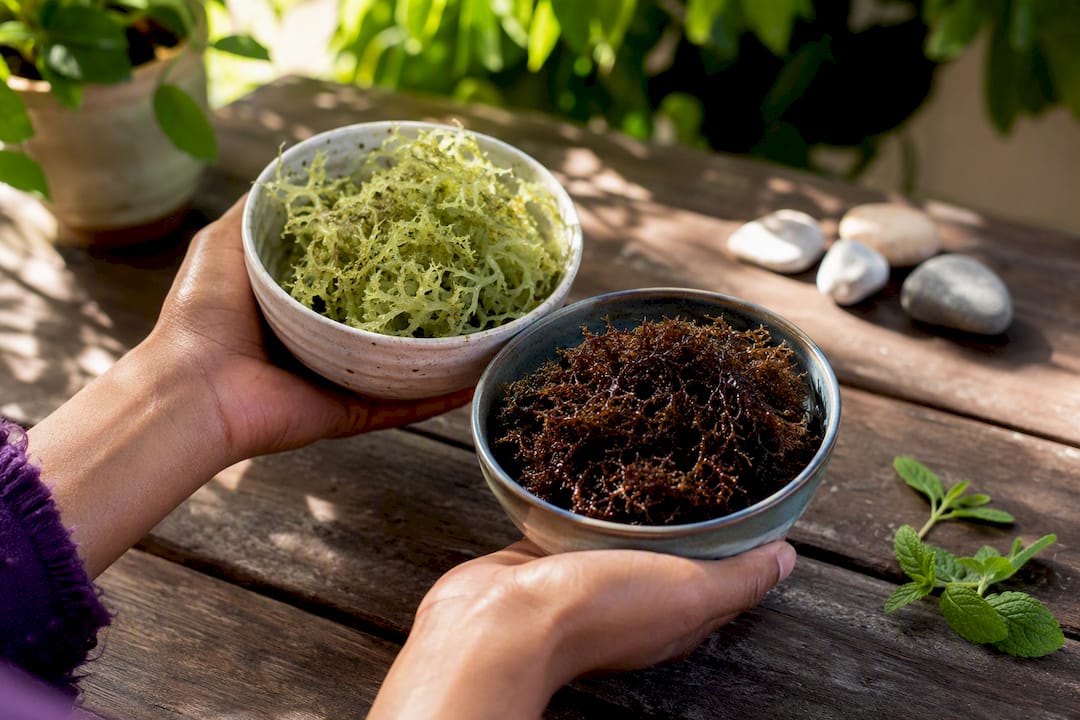
Iodine has a narrow window between “helpful” and “too much.” The NIH Office of Dietary Supplements sets the recommended adult intake at 150 mcg per day, with a tolerable upper limit around 1,100 mcg. Seaweed products, sea moss included, show enormous variability in iodine content between species, harvest batches, and brands. A review documenting that variability found some servings exceed the upper limit entirely, while others barely register. Two jars from two different suppliers can deliver wildly different amounts.
There’s also the contamination question. Seaweed grown in polluted coastal waters can absorb heavy metals like arsenic, cadmium, and lead, a concern raised in a review on seaweed safety. Sourcing and testing reduce that risk but don’t erase it, which is why where your sea moss comes from matters as much as how much you eat.
Nutrient snapshot per typical 1-2 tablespoon serving of sea moss gel:
- Iron: approximately 0.8 to 1.8 mg
- Iodine: highly variable, sometimes exceeding daily needs in a single serving
- Magnesium, zinc, and vitamin K: present in modest amounts, not concentrated doses
Pro Tip: look for suppliers who publish third-party lab testing for heavy metals and iodine content rather than relying on a “wildcrafted” label alone.
Who Should Avoid Sea Moss or Use It With Caution
Sea moss isn’t neutral for everyone. Thyroid disease is the biggest flag: excess iodine can push an already unstable thyroid into hyperthyroidism or worsen autoimmune thyroid conditions like Hashimoto’s. If you take levothyroxine or another thyroid medication, sea moss’s iodine load can interfere with dosing.
Blood thinners are another concern. Some seaweed compounds have mild anticoagulant properties, which can compound the effect of prescribed anticoagulants and raise bleeding risk. Pregnant and breastfeeding people need particular caution, since both iodine excess and heavy metal exposure carry documented risks to fetal and infant development.
A few groups should be especially careful:
- Anyone diagnosed with hyperthyroidism, hypothyroidism, or Hashimoto’s disease
- People on anticoagulant or thyroid medication
- Pregnant or breastfeeding individuals
- Anyone with a shellfish or seafood allergy, since cross-reactivity is possible with some marine algae products
The recommended daily iodine intake is 150 mcg, and the tolerable upper limit sits around 1,100 mcg for adults. A single serving of an untested, high-iodine sea moss batch can approach or exceed that ceiling without you knowing it.
How to Use Sea Moss Safely While Managing Low Iron
- Get baseline labs first. Ask for a complete blood count, ferritin, and transferrin saturation before making any dietary change. These numbers tell your clinician what kind of anemia you’re dealing with, since diagnostic guidelines for anemia hinge on iron indices, not symptoms alone.
- Choose a tested product. Buy sea moss from a supplier that tests for heavy metals and discloses iodine content, rather than a random online listing with no lab data.
- Start with a small serving. A teaspoon or two of gel, not a daily heaping spoonful, limits your iodine exposure while you assess tolerance.
- Pair it with vitamin C. Citrus, bell peppers, or strawberries alongside sea moss can modestly improve non-heme iron absorption.
- Don’t substitute it for prescribed iron. If a clinician has diagnosed iron-deficiency anemia, sea moss is a side dish to that treatment, not a replacement for it.
- Recheck labs at 3 and 6 months. Real iron therapy, whether oral ferrous sulfate or IV iron, should show measurable hemoglobin and ferritin improvement in that window. If sea moss alone were sufficient, you’d expect to see it reflected in those numbers, and typically you won’t.
Pro Tip: if fatigue persists after starting iron therapy, ask about absorption issues like celiac disease or ongoing blood loss. Sea moss won’t fix a problem that needs a different diagnosis.
When Sea Moss Might Actually Help, and When It Won’t
Some people genuinely feel better after adding sea moss, and there are plausible explanations that have nothing to do with iron. If someone was mildly iodine-deficient, correcting that can improve thyroid function and energy, an entirely different mechanism from raising hemoglobin.
Sea moss also contains prebiotic polysaccharides, and a broad review of marine algae nutrition notes these compounds may support gut bacteria, though human clinical trials on therapeutic claims remain limited. Better digestion and hydration from a gel-based food can create a subjective energy boost.
- Feeling more energetic after adding sea moss often reflects iodine correction, not iron repletion
- Digestive improvements may come from fiber and prebiotic content, not mineral absorption
- Feeling better is not the same as a lab-confirmed rise in hemoglobin or ferritin
The Gap Between Sea Moss Marketing and Sea Moss Science
The wellness world has turned sea moss into a catchall cure, and that’s where the real damage happens. It’s not that sea moss is useless. It’s that the claims around it borrow the credibility of “natural” and “mineral-rich” while skipping the part where someone actually measures whether it fixes anemia. It doesn’t, not at the doses people realistically consume.
What gets overlooked is the iodine side of the story. Most of the energy improvements people report probably trace back to correcting an undiagnosed iodine gap, not iron. That’s a real benefit, but it’s a different benefit than the one being marketed. Conflating the two leads people to skip blood work they actually need.
If you take one thing from this, prioritize the lab test over the supplement. Iron-deficiency anemia is diagnosed and tracked with numbers, and no amount of confidence in a green gel replaces that. Sea moss can be a reasonable part of a mineral-conscious diet. It is not, and should not be marketed as, a stand-in for measured iron therapy.
— Alka
AlkaHerbs’ Sea Moss: Sourced Responsibly, Positioned Honestly
If you’re adding sea moss to your diet as a mineral-rich complement, not a cure, sourcing quality is what actually separates a useful product from a risky one. Alkaherbs’ Sebian Sea Moss, harvested as Honduras Sea Moss, is organic and non-GMO, giving you a traceable option instead of an unmarked jar of unknown origin.
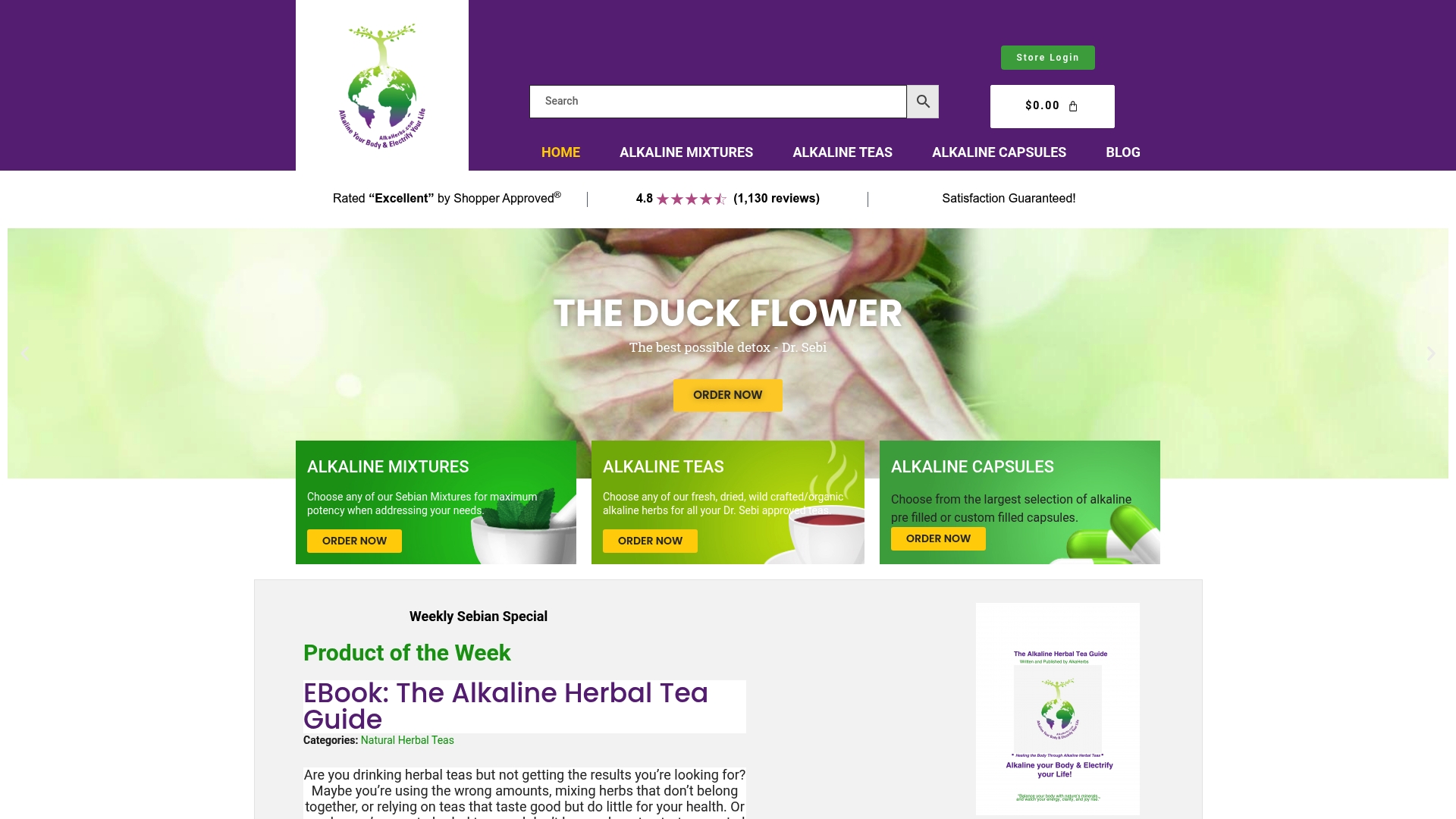
For readers who want the mineral profile without measuring gel by the spoonful, the Sea Moss and Bladderwrack Capsules offer a more consistent, portioned format. And if you’re weighing gel against a different alkaline moss product, the Purple Sea Moss variety is worth comparing for taste and texture preference.
None of these replace prescribed iron therapy if you’ve been diagnosed with iron-deficiency anemia. They’re built for people who want a clean, tested source of trace minerals as part of a broader alkaline diet. If your labs point to a real iron gap, pair this kind of nutritional support with herbs that support iron levels naturally and your clinician’s plan. Browse the Sebian Sea Moss product page to see sourcing details and pick the format that fits your routine.
Where to Read More on Sea Moss and Iron Health
For deeper reading beyond this article, start with the NIH iodine fact sheet for safe intake ranges, and the USDA Food Data Central database for raw nutrient values. If you’re noticing physical symptoms alongside fatigue, this clinical Q&A on deficiency-related hand weakness offers useful context on when symptoms warrant a doctor’s visit. For structuring meals that support iron absorption, a heart-healthy meal planning guide can help you build vitamin C-rich pairings into your week.
This article is general information, not a substitute for advice from a qualified doctor. Consult a qualified healthcare professional about your own circumstances before acting on anything here.
Sources
- Review: Dietary factors affecting non-heme iron absorption (PMC4814495)
- Clinical management of iron deficiency and anemia (PubMed 34203804)
- NIH Office of Dietary Supplements — Iodine fact sheet