
Herbs That Boost Iron Levels Naturally: A Practical Guide
Several edible herbs — stinging nettle, dandelion, yellow dock, parsley, moringa, and seaweeds — can meaningfully support iron status when used correctly. Iron-deficiency anemia affects roughly 1.62 billion people worldwide, making it the leading preventable cause of impaired function across many populations. Herbs alone rarely replace medical iron therapy when ferritin is clearly low, but they offer real dietary leverage, especially when paired with vitamin C.
Immediate steps you can take today:
- Brew a cup of nettle or dandelion leaf tea and squeeze lemon juice into it before drinking.
- Add fresh parsley or moringa powder to your next meal alongside a vitamin C source.
- Request a CBC and ferritin test from your provider if fatigue has lasted more than a few weeks.
- Tell your clinician every herb and supplement you are using, including teas.
Pro Tip: Pair nettle leaf or amaranth with a vitamin C source — citrus juice, amla powder, or fresh parsley — at the same meal. Vitamin C can improve non-heme iron absorption 3–6 fold, and both nettle and amaranth supply plant iron and vitamin C in the same leaf matrix.
Alkaherbs carries several of these herbs in whole-food and capsule forms, rooted in Dr. Sebi’s alkaline herbal tradition.
Table of Contents
- Which herbs help boost iron levels naturally?
- How do herbs actually help iron status?
- How to use iron-supporting herbs safely
- When should you see a doctor instead of relying on herbs?
- How much iron do you actually need, and where do herbs fit?
- What side effects can high doses of iron-boosting herbs cause?
- How to combine herbs with heme and non-heme iron foods
- Special populations: who needs extra attention with herbal iron support?
- What does the science actually support, and what is just tradition?
- Key Takeaways
- The case for nutritive herbs over potent roots
- Alkaherbs’ herbal options for iron and mineral support
- Sources and further reading
Which herbs help boost iron levels naturally?
The herbs below vary widely in evidence quality. Some have human clinical data; most rest on traditional use and nutritional analysis. Here is a compact comparison:
| Herb | Primary mechanism | Common forms | Evidence level |
|---|---|---|---|
| Stinging nettle | Direct iron + vitamin C | Tea, capsule, food | Nutritional analysis; limited human trials |
| Dandelion leaf/root | Liver tonic, prebiotic inulin | Tea, tincture, food | Traditional; limited human data |
| Yellow dock root | Direct iron, liver tonic | Tincture, capsule | Traditional; animal data |
| Parsley | Vitamin C cofactor, direct iron | Culinary, tea | Nutritional analysis |
| Moringa leaf | Direct iron + folate | Powder, capsule, food | Animal + limited human |
| Amaranth leaf | Direct iron + vitamin C + folate | Food, powder | Nutritional analysis; cell studies |
| Ginger | Polyphenol/prebiotic adjuvant | Tea, capsule, culinary | 2022 narrative review |
| Dulse/kelp (seaweed) | Direct iron + minerals | Food, flakes, capsule | One adolescent trial |
| Alfalfa | Direct iron, chlorophyll | Tea, capsule | Traditional; limited data |
Stinging nettle stands out nutritionally. Fresh nettle contains 3.5–4.2 mg iron per 100 g and up to 80 mg vitamin C per 100 g fresh weight, meaning it delivers both the mineral and the cofactor that unlocks it. One cup of nettle infusion daily is a reasonable starting point.
Ginger earns a separate callout. A 2022 narrative review found that ginger’s polyphenols can enhance oral iron therapy efficacy and act as prebiotics that reduce the gastrointestinal side effects people often quit iron supplements over. That is a meaningful clinical signal, even if it is not a randomized controlled trial on ginger alone.
Amaranth leaf powder supplies 20–25 mg iron per 100 g dry weight alongside vitamin C and folate, making it one of the more nutritionally complete plant options. Yellow dock root is traditionally valued as a liver tonic and one of the richer plant iron sources, but it contains anthraquinone glycosides (mild laxative) and oxalates that warrant caution.
Seaweeds like dulse and kelp supply iron and trace minerals. One study with an iron-fortified seaweed product showed improved hemoglobin and ferritin in adolescent girls after several months of use. Contamination with heavy metals is a real concern with low-quality seaweed products, so sourcing matters.
How do herbs actually help iron status?
Herbs help through several distinct pathways, not just by supplying raw iron. The mechanisms worth understanding:
- Direct iron provision: Nettle, amaranth, yellow dock, and moringa contain measurable non-heme iron.
- Vitamin C cofactor: Ascorbic acid reduces Fe³⁺ to the more absorbable Fe²⁺ form. Parsley, nettle, and amla are all high in vitamin C and pair naturally with iron-rich foods.
- Liver-tonic effects: Dandelion and yellow dock are traditionally used to support liver function, which plays a role in ferritin storage and mobilization.
- Prebiotic and polyphenol effects: Ginger’s polyphenols and dandelion’s inulin support gut microbiota, which affects iron absorption and reduces GI irritation from iron therapy.
The catch is anti-nutrients. Phytates, tannins, and oxalates in many plants can substantially inhibit iron absorption, meaning raw iron numbers in a plant do not predict how much your body actually absorbs. A study screening eight iron-rich herbs found that none of them induced ferritin in human enterocyte cells without added ascorbic acid, underscoring that preparation and pairing matter as much as the herb itself.
Pro Tip: Drink nettle or dandelion tea with a squeeze of lemon, and avoid coffee, black tea, or high-phytate foods within an hour of your iron-rich meal. That single timing shift removes two of the biggest absorption blockers.
Herbs are genuinely supportive for mild dietary iron shortfalls. They are rarely a substitute when ferritin is clearly depleted and hemoglobin is below WHO thresholds.
How to use iron-supporting herbs safely
Most herbs are safe in culinary and tea doses. Concentrated tinctures or long-term high-dose use carry real risks. Always disclose herb use to your healthcare provider.
Safe forms and practical timing:
- Food and infusions first: nettle tea (1 cup daily), parsley in salads, moringa powder stirred into smoothies.
- Take herbal iron foods or teas with a vitamin C source at meals.
- Avoid polyphenol-rich coffee or black tea within one hour of iron intake.
- For tinctures, follow label guidance and use short-term unless supervised.
Interactions and population cautions:
- Anticoagulants: Dandelion and nettle may interact with warfarin; check with your provider.
- Thyroid medication: Seaweeds high in iodine can interfere with thyroid drugs.
- Kidney stone history: Yellow dock’s oxalates are a real concern; avoid or use minimally.
- Pregnancy and breastfeeding: Culinary amounts of parsley and nettle are generally considered safe; medicinal doses of yellow dock and high-dose tinctures are not recommended without provider guidance.
Plant-based iron preparations are generally better tolerated than synthetic iron salts, which is one reason people seek botanical options. For whole-herb options rooted in the Dr. Sebi alkaline tradition, Alkaherbs carries yellow dock root and dandelion root as individual herbs.
When should you see a doctor instead of relying on herbs?
Get a blood test when fatigue is persistent, symptoms are moderate to severe, or you have risk factors like heavy menstrual periods, GI bleeding, or recent surgery. Herbs are not a replacement for clinical evaluation.
Tests that matter:
- CBC (complete blood count): Checks hemoglobin and red blood cell indices.
- Ferritin: The most sensitive marker of iron stores; low ferritin precedes anemia.
- Transferrin saturation (TSAT): Indicates how much iron is available for use.
- CRP: Rules out inflammation that can falsely elevate ferritin readings.
- GI evaluation: Warranted when bleeding is suspected.
Try dietary and herbal measures for 4–8 weeks for mild low-iron symptoms, while monitoring labs. If ferritin falls below 30 ng/mL or hemoglobin drops below WHO thresholds for your age and sex, pursue medical iron therapy.
When you see your clinician, bring the names of every herb you are using, the form (tea, tincture, capsule), and how long you have been taking it. That information directly affects treatment decisions.
How much iron do you actually need, and where do herbs fit?
The National Institutes of Health sets the recommended dietary allowance for iron at 8 mg/day for adult men and postmenopausal women, 18 mg/day for menstruating women, and 27 mg/day during pregnancy. Vegetarians and vegans are advised to target roughly 1.8 times those amounts because non-heme iron absorbs less efficiently than heme iron from meat.
Herbs contribute to these totals but rarely meet them alone. A cup of nettle tea supplies a few milligrams of iron; a tablespoon of moringa powder adds additional iron as well. The real value of herbs is in the cofactors and absorption support they provide alongside dietary iron, not in replacing a full day’s requirement by themselves.
What side effects can high doses of iron-boosting herbs cause?
At culinary and tea doses, most herbs in this guide are well tolerated. Higher doses shift the picture:
- Yellow dock: Laxative effect from anthraquinones; oxalate accumulation risk with long-term use.
- Nettle: Diuretic effect at high doses; occasional allergic skin reactions when handling fresh plant.
- Moringa: High doses may cause GI upset; avoid medicinal doses in pregnancy.
- Seaweeds: Excess iodine from kelp can disrupt thyroid function; heavy metal contamination is possible with low-quality sources.
- Dandelion: Generally mild, but can cause allergic reactions in people sensitive to ragweed or related plants.
The pattern across all of them: food and tea amounts are where the safety record is strongest. Concentrated extracts and capsules at high doses are where problems tend to appear.
How to combine herbs with heme and non-heme iron foods
Herbs work best as part of a broader dietary strategy, not as standalone fixes. Heme iron from meat, poultry, and fish absorbs at roughly 15–35%, while non-heme iron from plants absorbs at 2–20% depending on what else is in the meal.
Practical pairings that work:
- Add fresh parsley or a squeeze of lemon to lentil soup. The vitamin C in both converts non-heme iron to a more absorbable form.
- Stir moringa powder into a smoothie with orange juice and a handful of spinach.
- Serve a small portion of meat or fish alongside a bean dish. The “meat factor” in heme iron actually enhances non-heme iron absorption from the same meal.
- Use dulse flakes as a seasoning on grain bowls with legumes and a citrus dressing.
Avoid pairing iron-rich meals with coffee, black tea, or calcium-heavy dairy in the same sitting. Those are the three biggest absorption blockers in a typical American diet.
Special populations: who needs extra attention with herbal iron support?
Vegetarians and vegans carry the highest risk of dietary iron shortfalls because they rely entirely on non-heme iron. The absorption gap is real, and the 1.8x intake target exists for a reason. Nettle, amaranth, moringa, and seaweeds are the most nutritionally dense plant options for this group. Pairing every iron-rich meal with vitamin C is non-negotiable, not optional.
Menstruating individuals lose iron monthly and are the demographic most commonly affected by low ferritin in the United States. Herbal support can help maintain dietary iron between periods, but heavy or prolonged bleeding often requires medical evaluation and sometimes prescription-strength iron therapy. For readers whose low iron is tied to their cycle, herbal supplements for cycle balance offer complementary strategies worth exploring alongside dietary iron work.
Pregnant individuals have the highest iron requirement of any group. Culinary herb amounts are generally safe; medicinal doses of yellow dock, high-dose tinctures, and unverified herbal blends are not appropriate without provider oversight.
Older adults often have reduced stomach acid, which impairs non-heme iron absorption. Vitamin C pairing becomes even more important, and ferritin monitoring is worth doing annually.
What does the science actually support, and what is just tradition?
Honest answer: most herbs in this guide have stronger traditional records than clinical trial records. That gap matters.
What has meaningful human evidence:
- Ginger as an adjuvant in iron therapy (2022 narrative review showing polyphenol-mediated absorption enhancement and GI protection).
- Seaweed-based iron products (one trial showing hemoglobin and ferritin improvements in adolescent girls).
- Nettle’s nutritional profile is well-documented; formulation research confirms the vitamin C synergy effect.
What rests primarily on tradition and animal or cell data:
- Dandelion, yellow dock, alfalfa, and moringa are widely used and nutritionally plausible, but high-quality human clinical trials remain limited for most of them.
As Dr. Densie Webb, PhD, RD, notes in practitioner guidance, the clinical trial base for many blood-building herbs is thin, and herbs should be viewed as supportive dietary strategies rather than proven treatments for diagnosed iron-deficiency anemia. That framing is not a dismissal. It is the honest starting point for using these plants well.
Key Takeaways
Herbs that boost iron levels naturally work best as dietary support alongside vitamin C, not as replacements for medical iron therapy when ferritin is clearly low.
| Point | Details |
|---|---|
| Nettle and amaranth lead nutritionally | Both supply plant iron and vitamin C in the same matrix, improving non-heme absorption 3–6 fold with added ascorbic acid. |
| Vitamin C pairing is non-negotiable | Add citrus, parsley, or amla to every iron-rich herbal meal or tea to convert Fe³⁺ to the absorbable Fe²⁺ form. |
| Disclose herbs to your clinician | Herb-drug interactions (anticoagulants, thyroid meds) and laxative effects (yellow dock) require provider awareness. |
| Monitor labs, not just symptoms | Request CBC and ferritin; if ferritin is below 30 ng/mL, pursue medical iron therapy rather than relying on herbs alone. |
| Alkaherbs for whole-herb options | Alkaherbs carries nettle, dandelion root, yellow dock, dulse, and sea moss for readers building a food-based iron strategy. |
The case for nutritive herbs over potent roots
The herbs I find most defensible for long-term iron support are the nutritive ones: nettle, dandelion leaf, parsley, moringa, and seaweeds like dulse. They supply iron, cofactors, and trace minerals without the laxative or oxalate risks that come with chronic high-dose yellow dock use. My approach would be to rotate nettle tea and moringa powder into daily meals, track ferritin every three to four months, and keep the clinician in the loop rather than self-managing in silence.
The part most guides skip: the liver-tonic herbs (dandelion root, yellow dock) are genuinely useful for short-term support when ferritin is sluggish, but they are not meant to be permanent fixtures in a supplement stack. Gentle, nutritive herbs used consistently over months, paired with a vitamin C source at every iron-rich meal, is a more sustainable and lower-risk strategy than cycling through potent roots indefinitely.
*— Alka
Alkaherbs’ herbal options for iron and mineral support
If you are building a food-based iron strategy and want whole herbs rooted in the Dr. Sebi alkaline tradition, Alkaherbs is worth exploring. The product line includes dandelion root, yellow dock root, dulse flakes, and sea moss, covering the liver-tonic, direct-iron, and mineral-replenishment categories this guide covers.
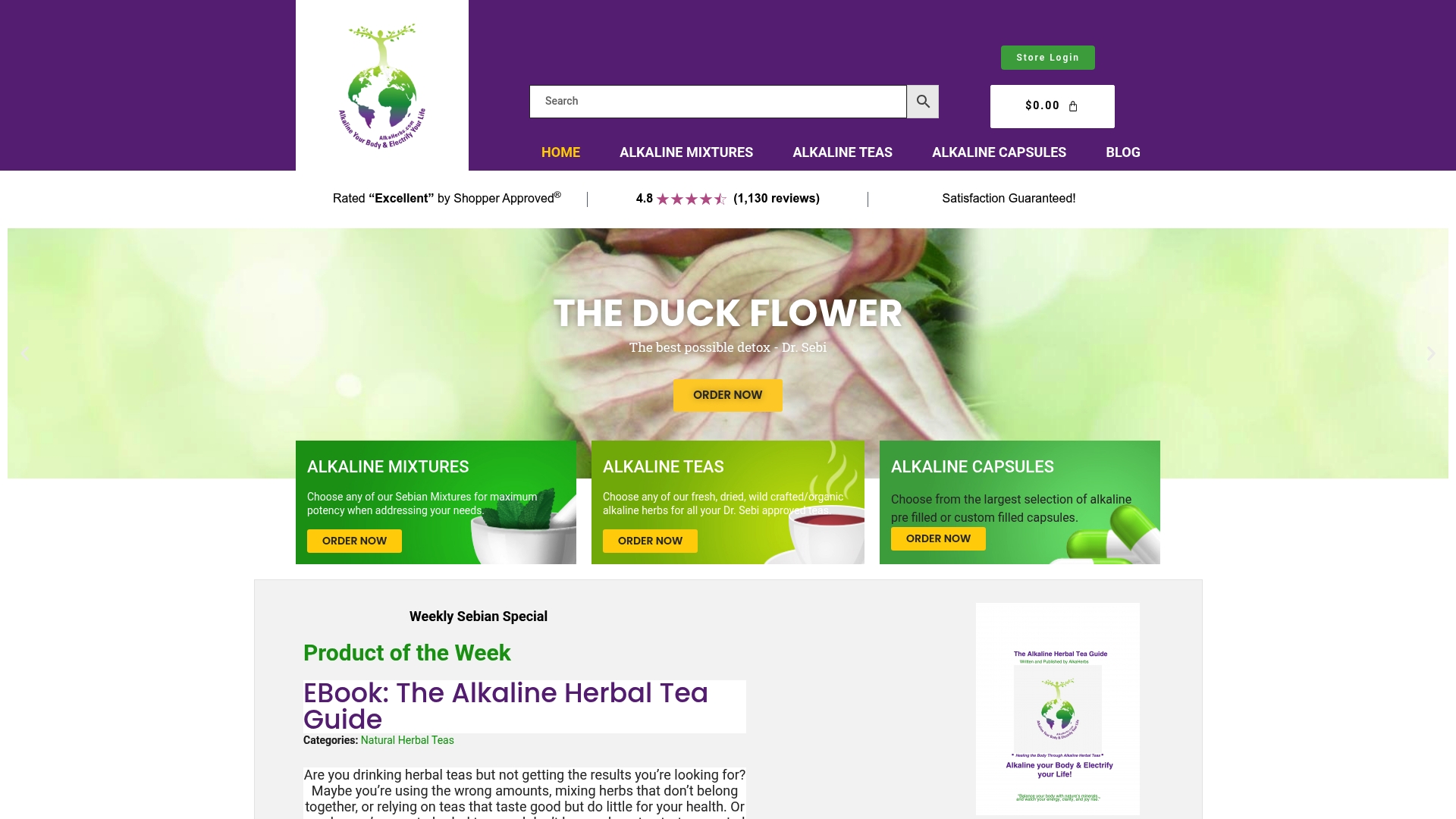
For mineral replenishment, Alkaherbs’ Purple Sea Moss and Blood Nourishing Herbs capsules are two starting points for readers who want structured options rather than loose herbs. The alkaline herbal tea category covers infusion-based options for daily use.
Important: These products are dietary supplements intended to support a nutritious diet. They are not treatments for diagnosed iron-deficiency anemia. Disclose all herbal use to your healthcare provider, and get your ferritin and CBC checked before and after making dietary changes. Browse the full range at Alkaherbs and work with your clinician to decide what fits your situation.
Sources and further reading
- Stinging nettle formulation and anemia: IJPS Journal
- Ginger polyphenols and iron deficiency anemia: Molecules (MDPI), 2022
- Plant-based iron formulations and GI tolerance: PMC
- Yellow dock root: liver, blood, and skin herb: MedicalHerbalist.org
- Herbal therapies for iron-deficiency anemia: Today’s Dietitian
- Blood-building herbs for iron deficiency: Jenna Volpe, RDN (WholeisticLiving)
- Botanical boosters for hemoglobin: Pharmacy Journal, 2025
- Herbs as a dietary source of iron: Nutrition & Food Science
This article is general educational information, not medical advice. Confirm current recommendations with your healthcare provider or a registered dietitian for your specific situation.